Duban
Chess Set
School Project
Summary
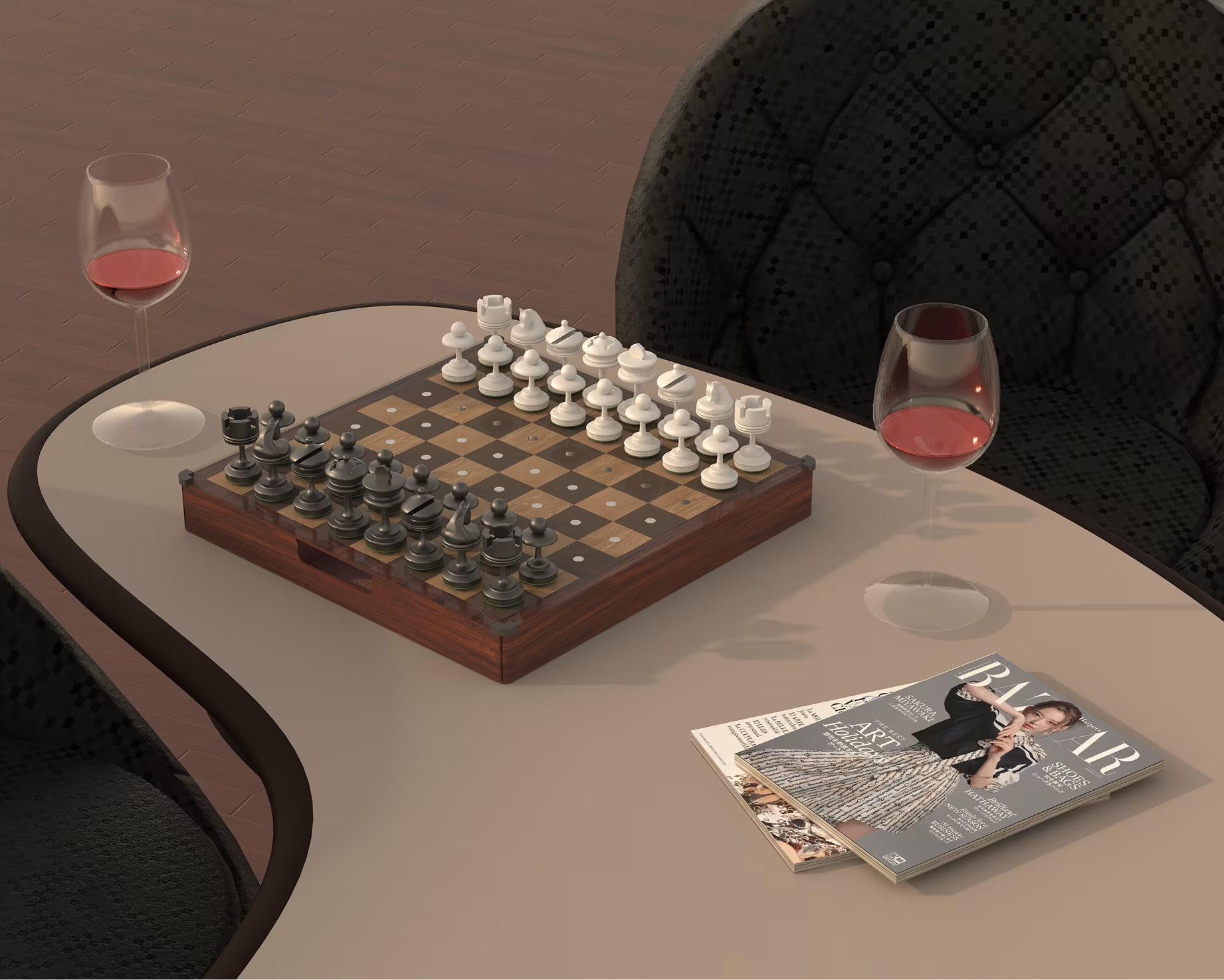
Duban makes chess accessible for the 6 million Canadians with arthritis, preserving elegance and easing play.
Role
3D Modelling & Rendering, Physical Prototyping, Research & Ideation
Tools
Solidworks + Visualize, 3D Printing, Laser Cutting
Duration
4 weeks, Fall 2024
Team
Kate Simeonoff (Researcher), Nadine Elkabir (3D Modelling & Rendering)
The Problem
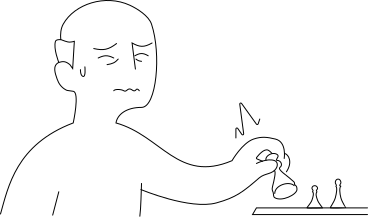
The manual dexterity needed to grip chess pieces causes frustration for users with arthritis, leading many longtime chess enthusiasts to give up a cherished leisure and social activity. While existing accessibility solutions (including our own concepts) offer greater comfort, they lack the simplicity and elegance of a traditional chess set, a crucial part of the experience.
Ideation
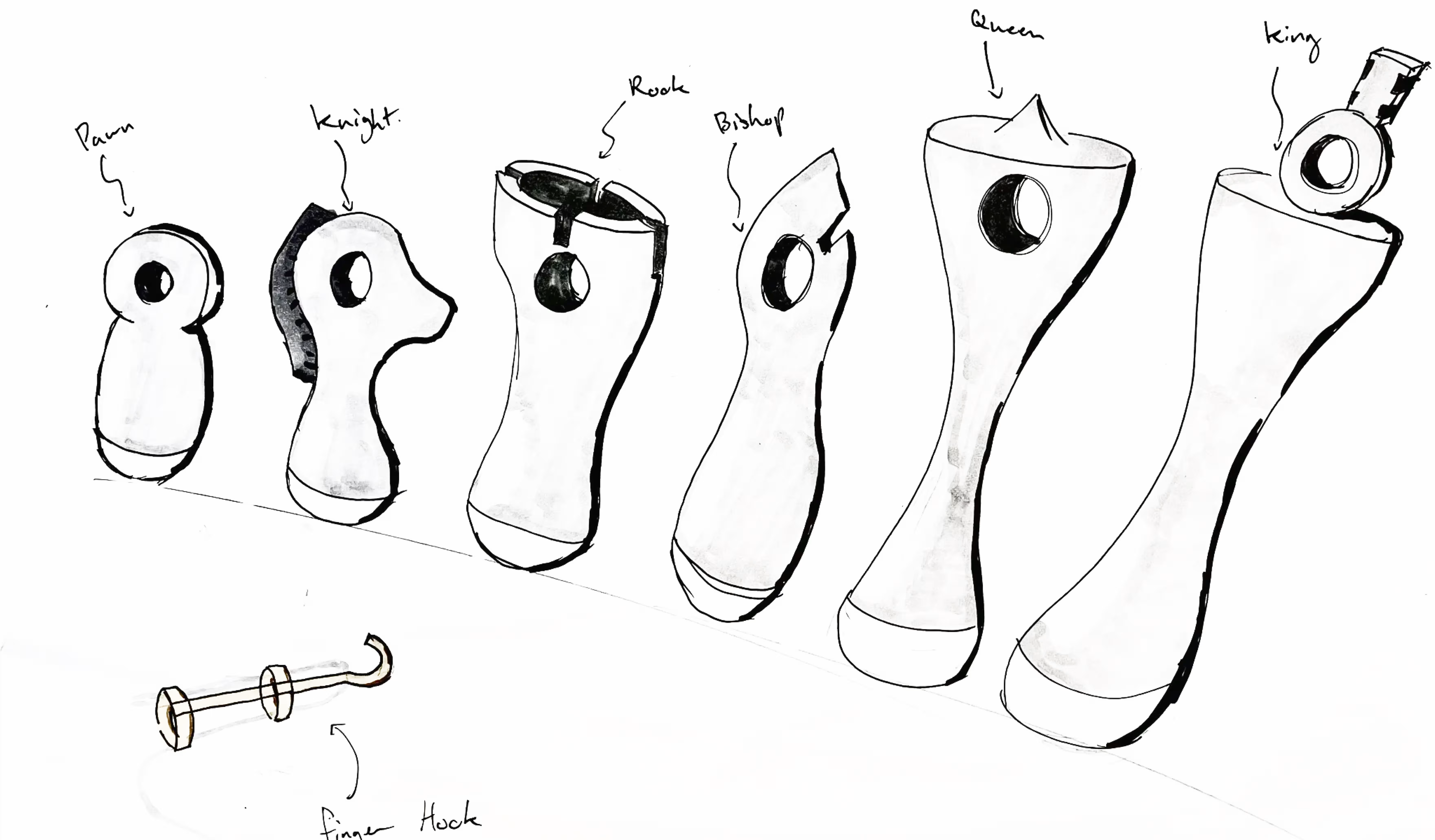
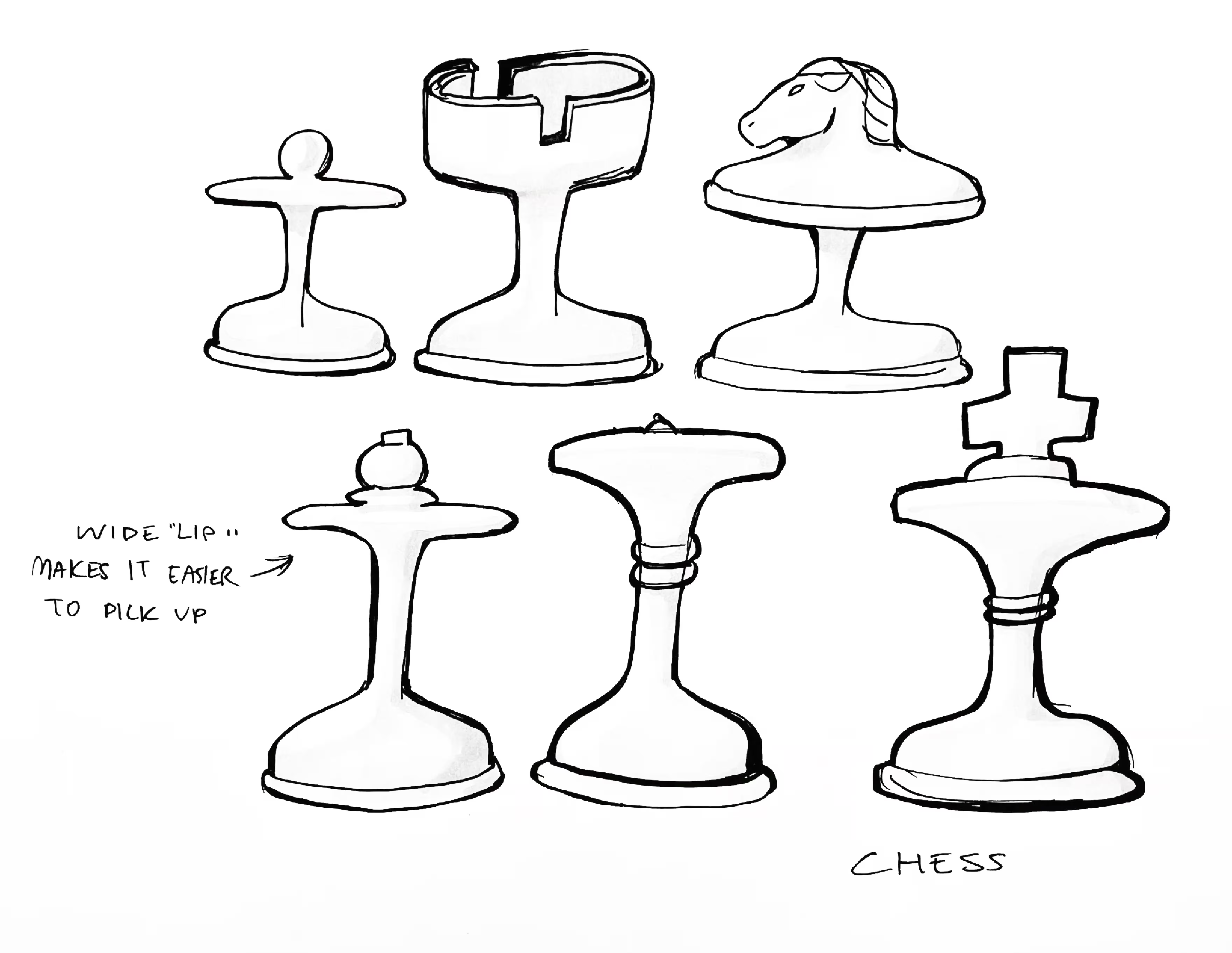
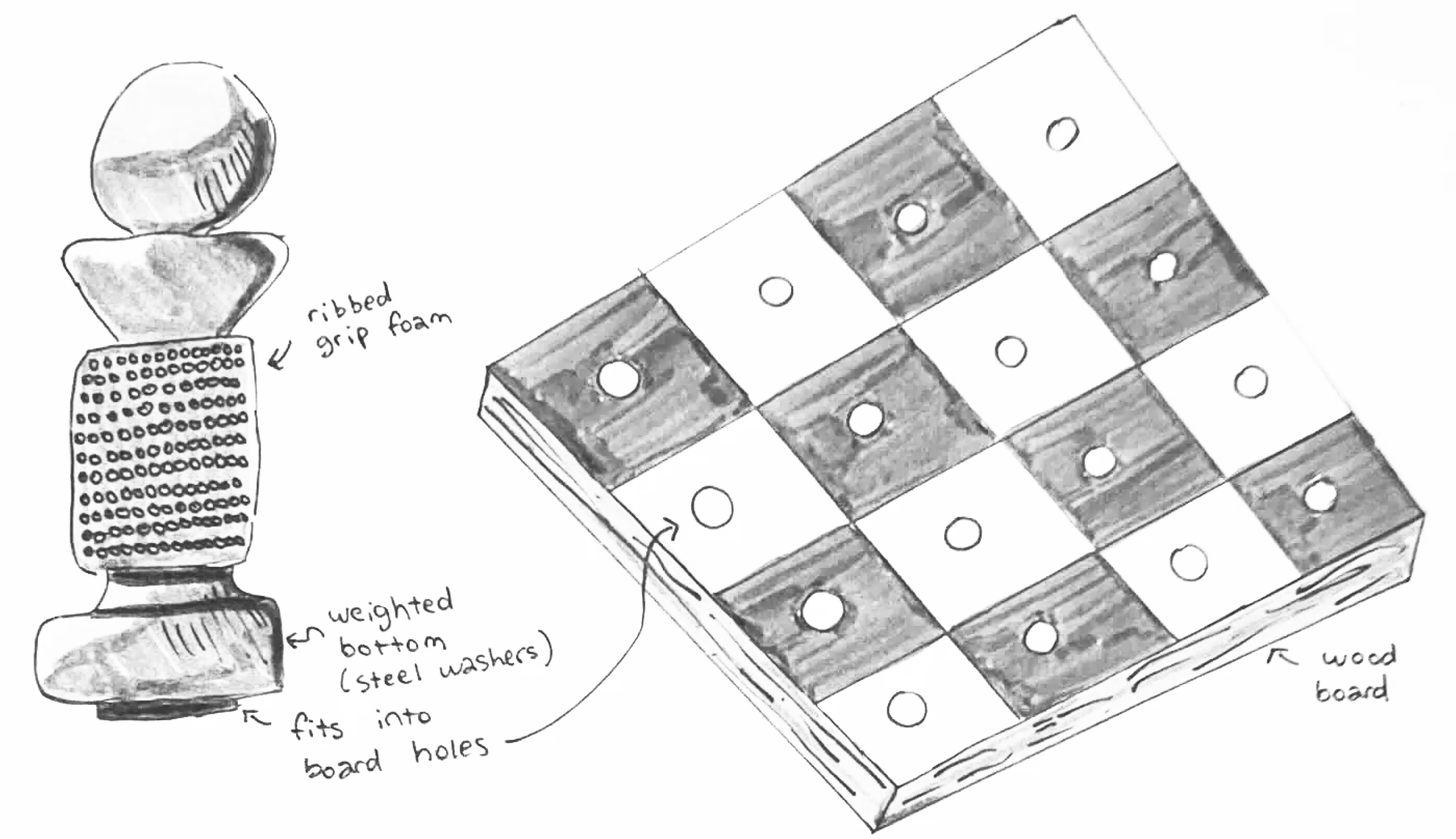
Generating broad solutions on pen and paper and deciding on what to push forward to prototyping.
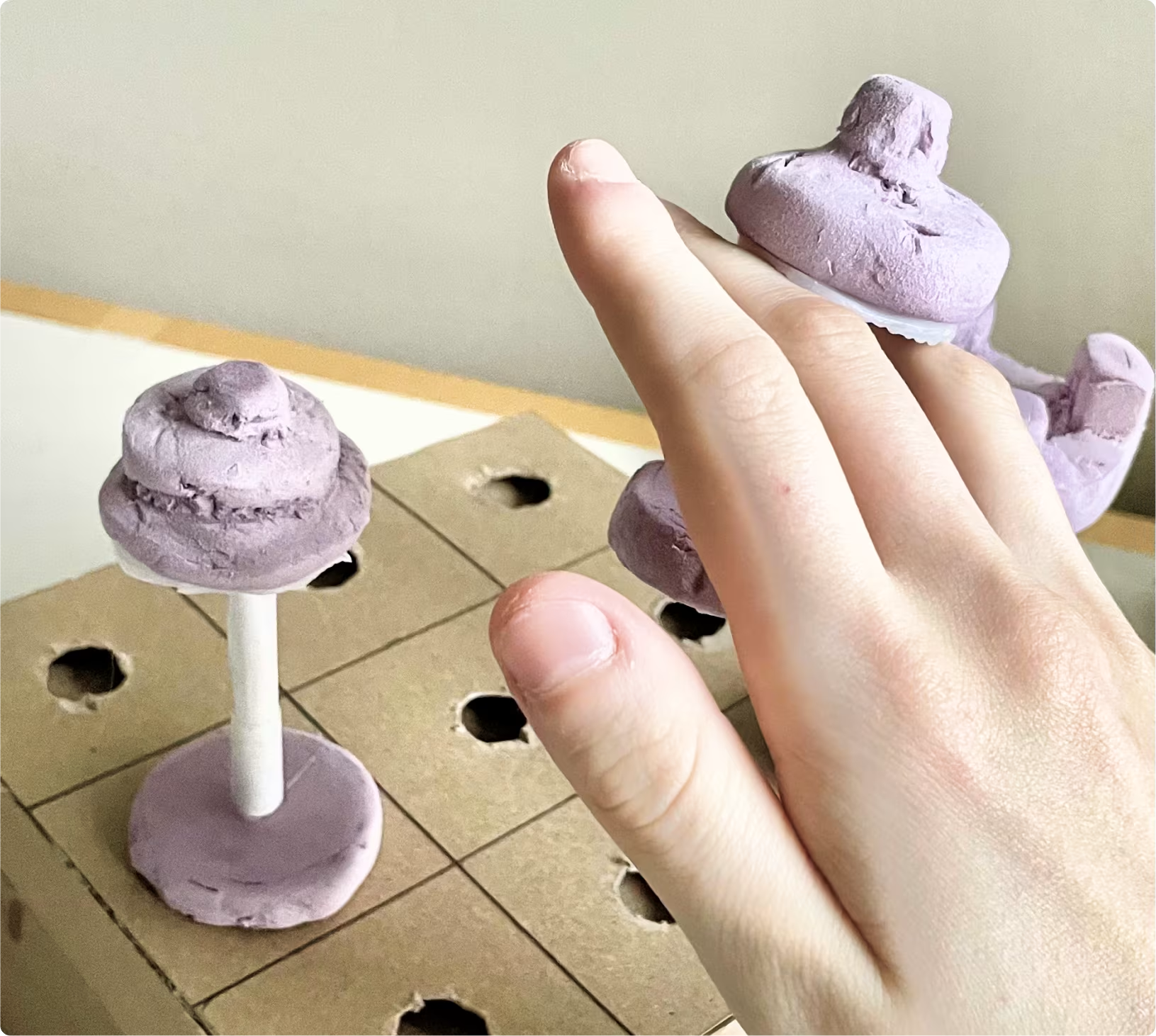
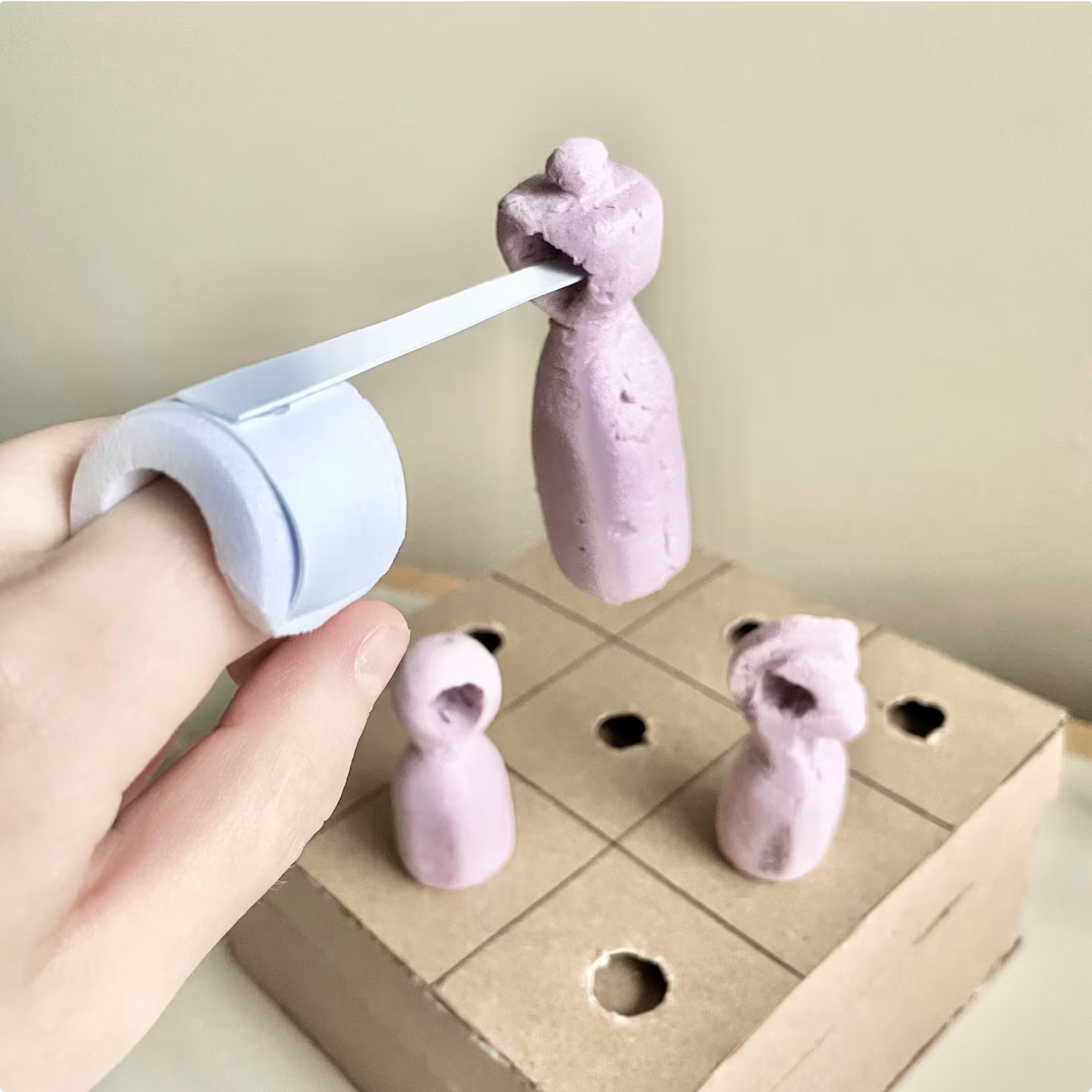
Early Foam Prototypes
Through prototype testing, I discovered a key winning feature: a wine glass-inspired design eliminating the need for gripping.
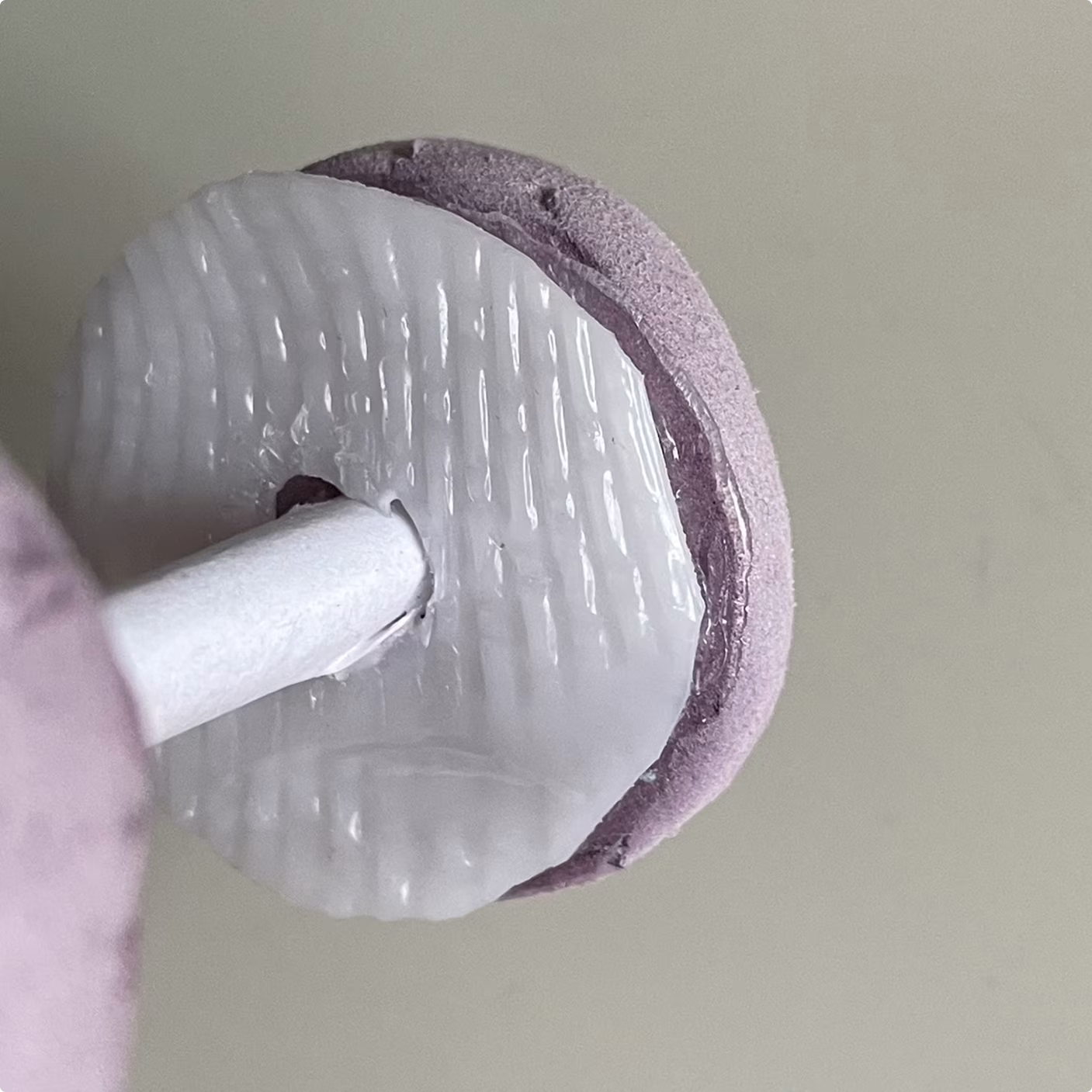
- I melted larger sheets of plastic together before cutting them to size, which allowed me to account for any shrinkage.
- Retesting the heating temperature helped me find the ideal melting temperature with the heat press, optimizing for durability and smoothness.
- I decided to repurpose an old nylon bag strap to ensure my sheath’s strap was reliable in the long term.
Refinement
Magnetizing towards a clearer direction
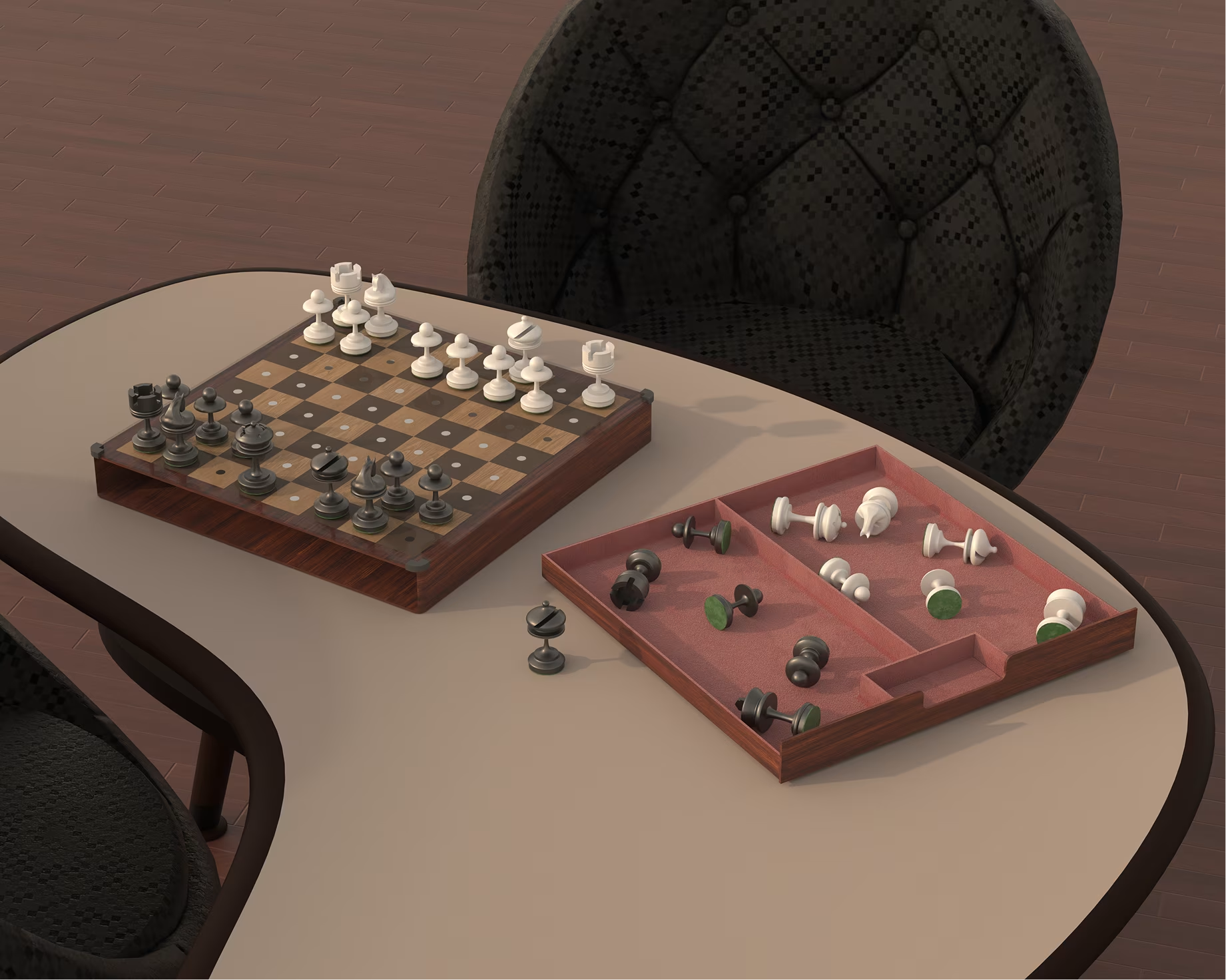
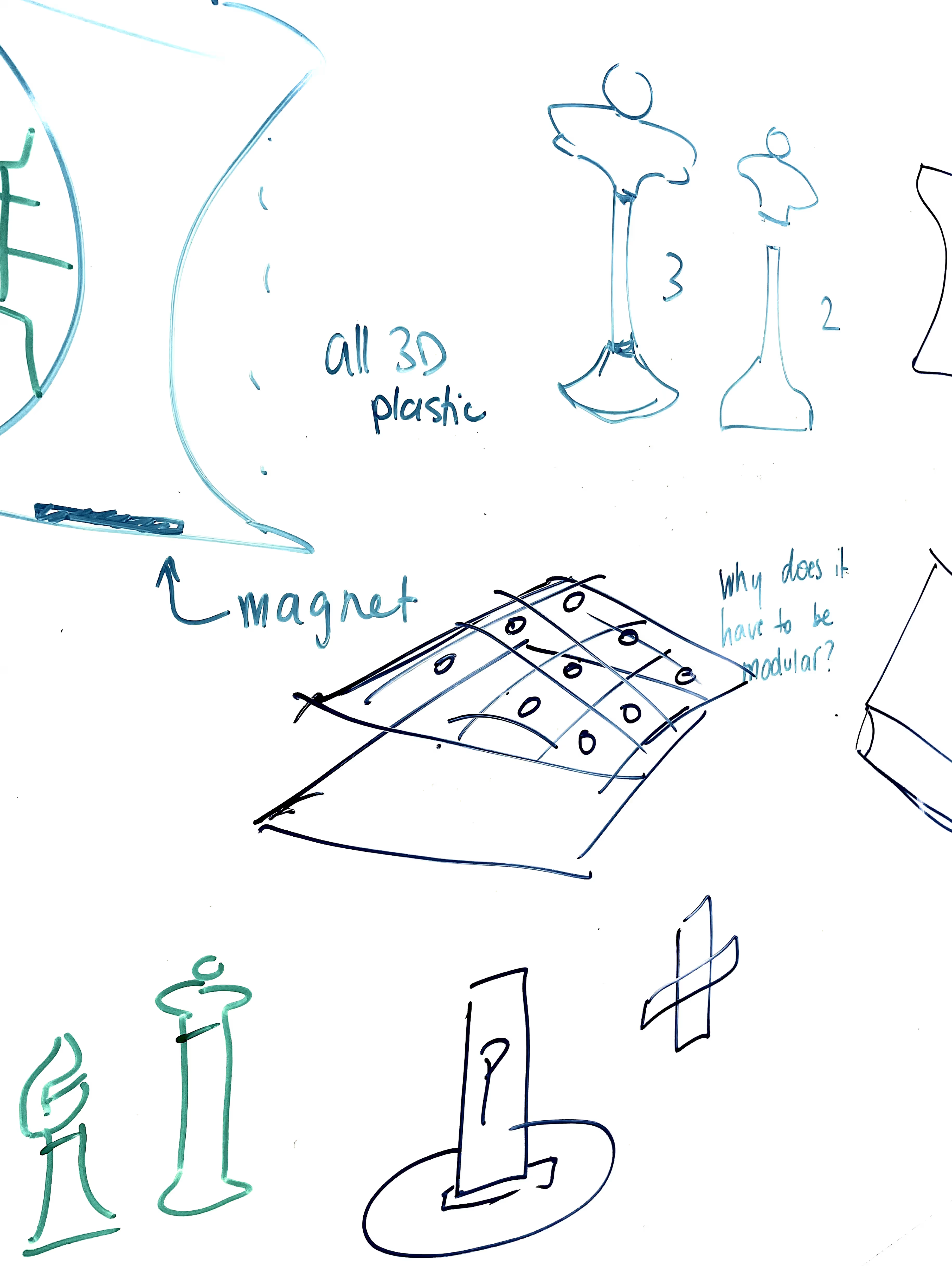
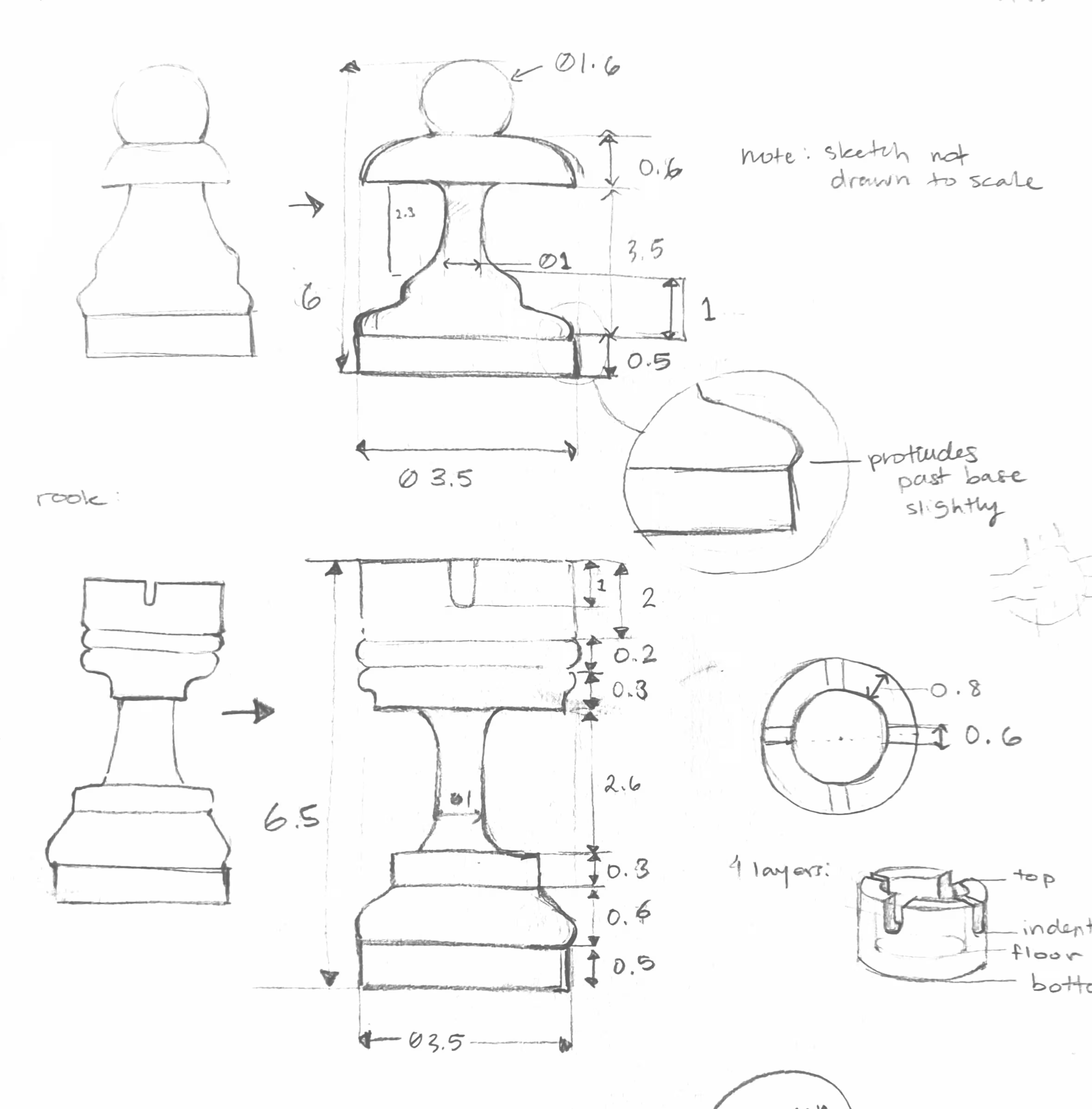
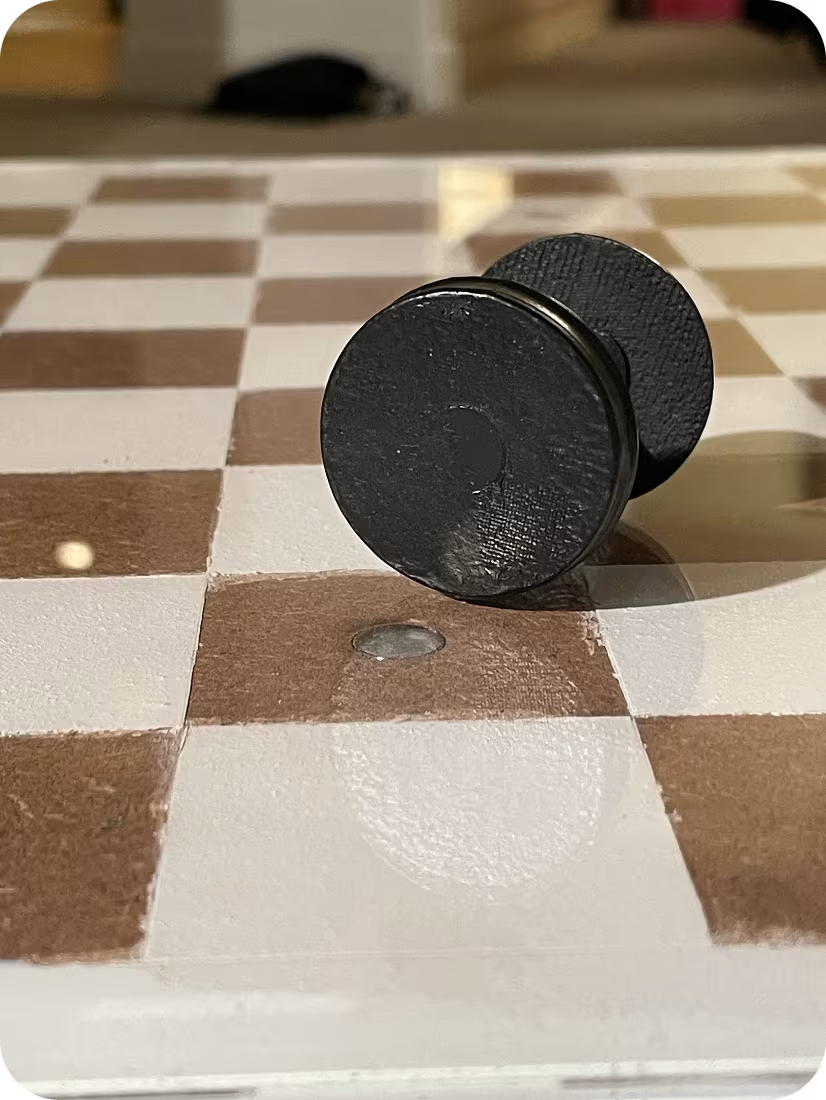
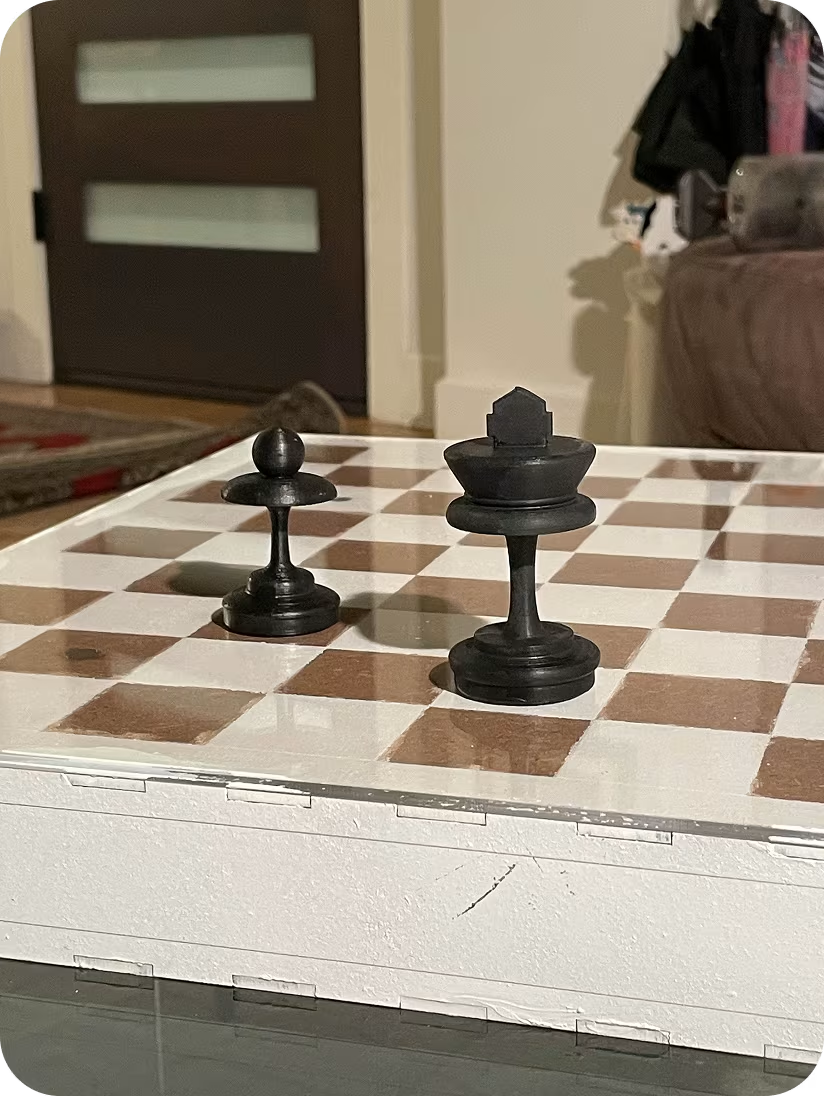
Instead of pegs, magnets were able to snap the pieces in place and could easily be repositioned. They also prevented tipping which was our main pain point when error occurred in natural play. The piece designs were streamlined and given removable heads for gameplay purpose - A pawn that reached the end of the board could easily swap out its head with that of any other piece.
Early Foam Prototypes
Through prototype testing, I discovered a key winning feature: a wine glass-inspired design eliminating the need for gripping.
- I melted larger sheets of plastic together before cutting them to size, which allowed me to account for any shrinkage.
- Retesting the heating temperature helped me find the ideal melting temperature with the heat press, optimizing for durability and smoothness.
- I decided to repurpose an old nylon bag strap to ensure my sheath’s strap was reliable in the long term.
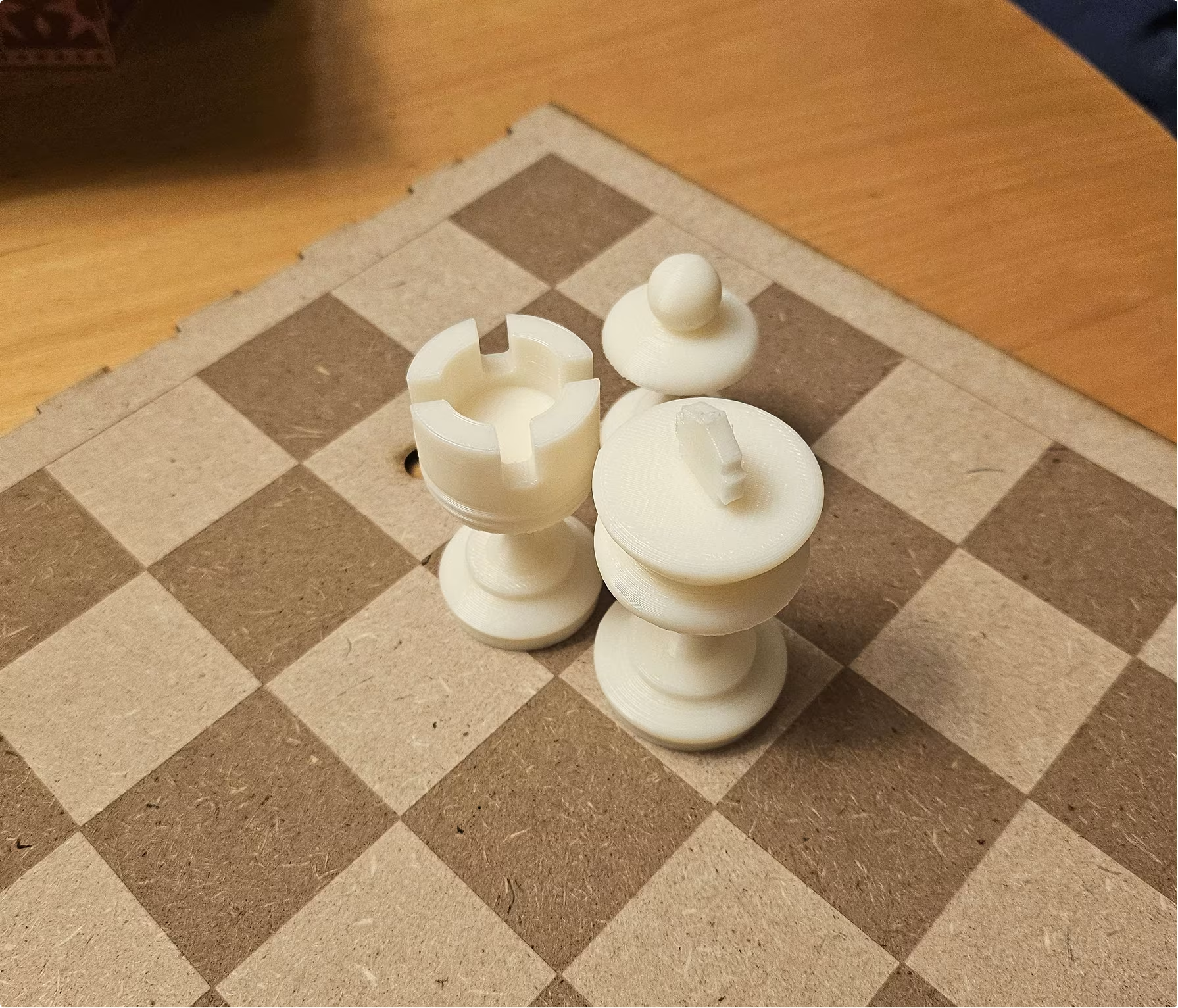
Final Physical Product
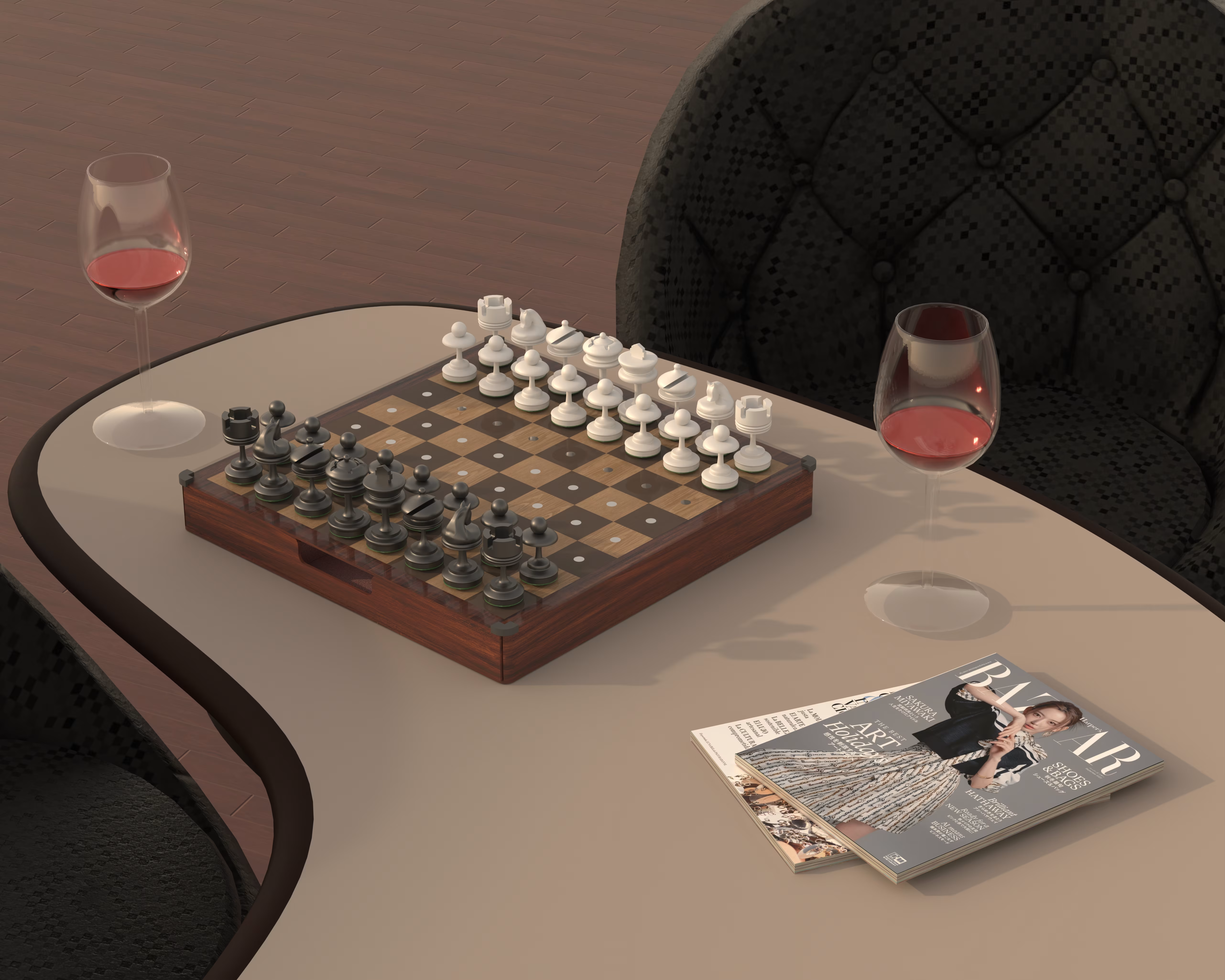
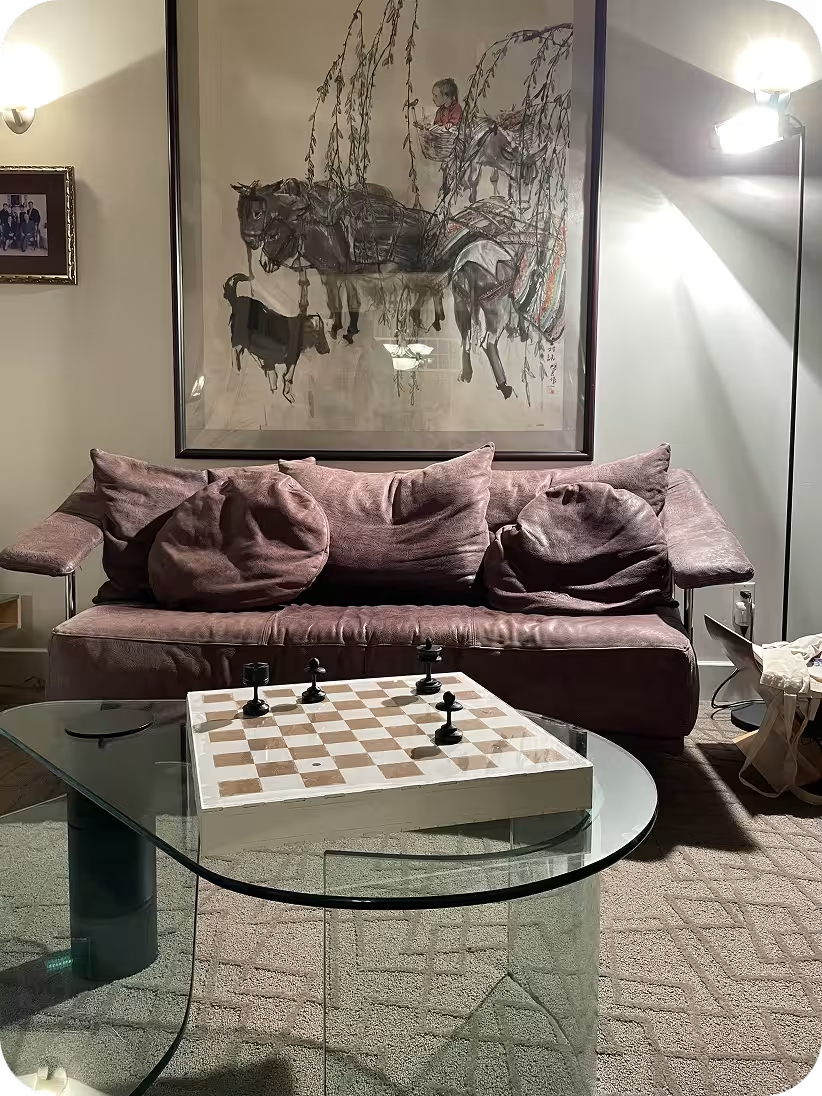
The final prototype made it clear that more comfortable chess for players with arthritis is not only possible but can also remain as elegant and recognizable as the traditional experience.
Modeling and Rendering
Refining the final concept in Solidworks, with material considerations
Instead of a painted aesthetic that could wear away, I decided on a multi wood construction that gives a more classic and refined appearance. Softer materials such as felt and velour were added to the pieces and shelf to reduce noise during use and transport.
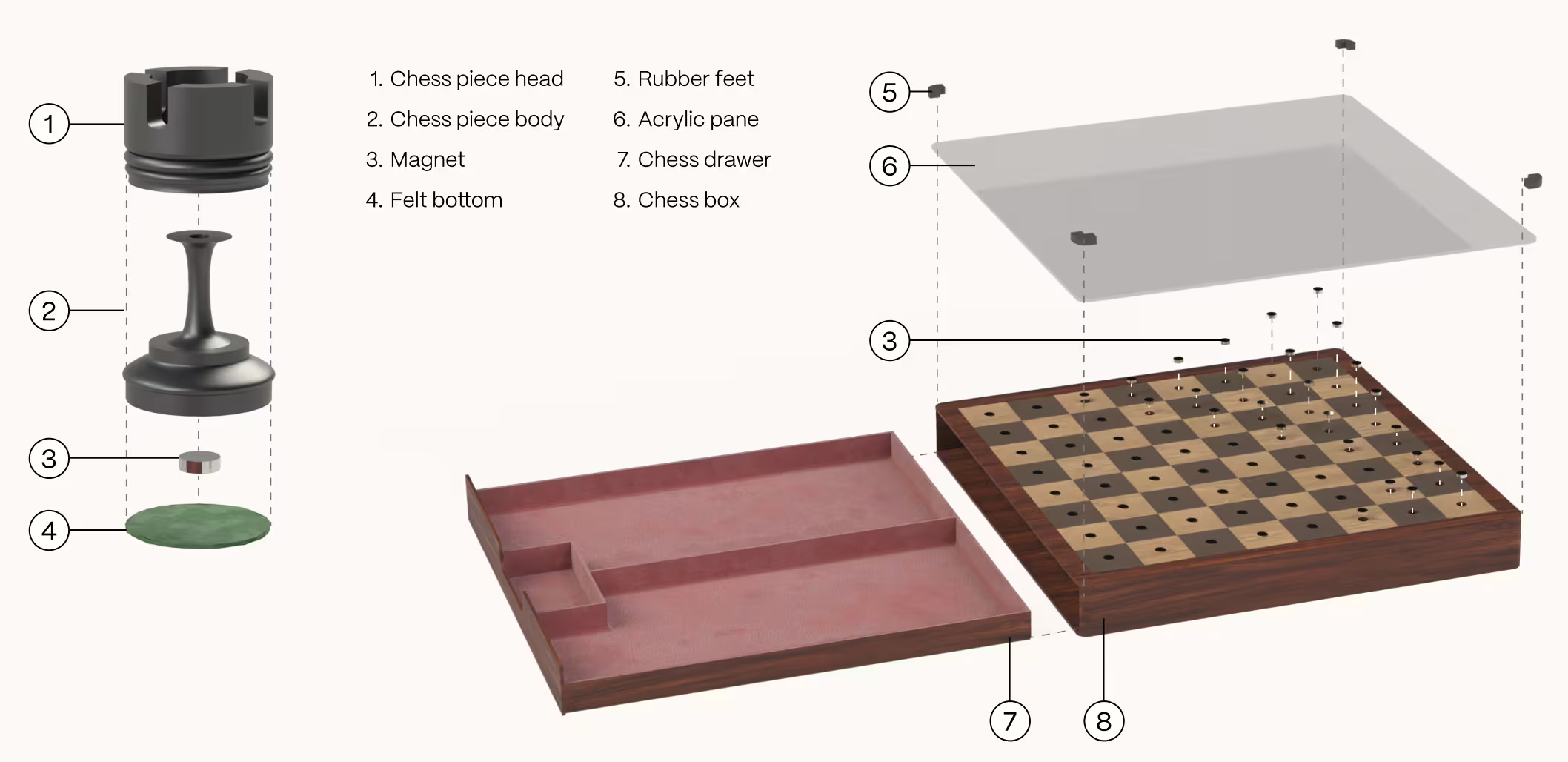
All the models were made in a combination of Blender, OnShape and Solidworks, then they were compiled and rendered in SolidWorks Visualize. The goal was to create a chess set that would fit in any classic home, so the furniture was chosen to reflect that feeling.