Albert
Sheath
Personal Project
Summary
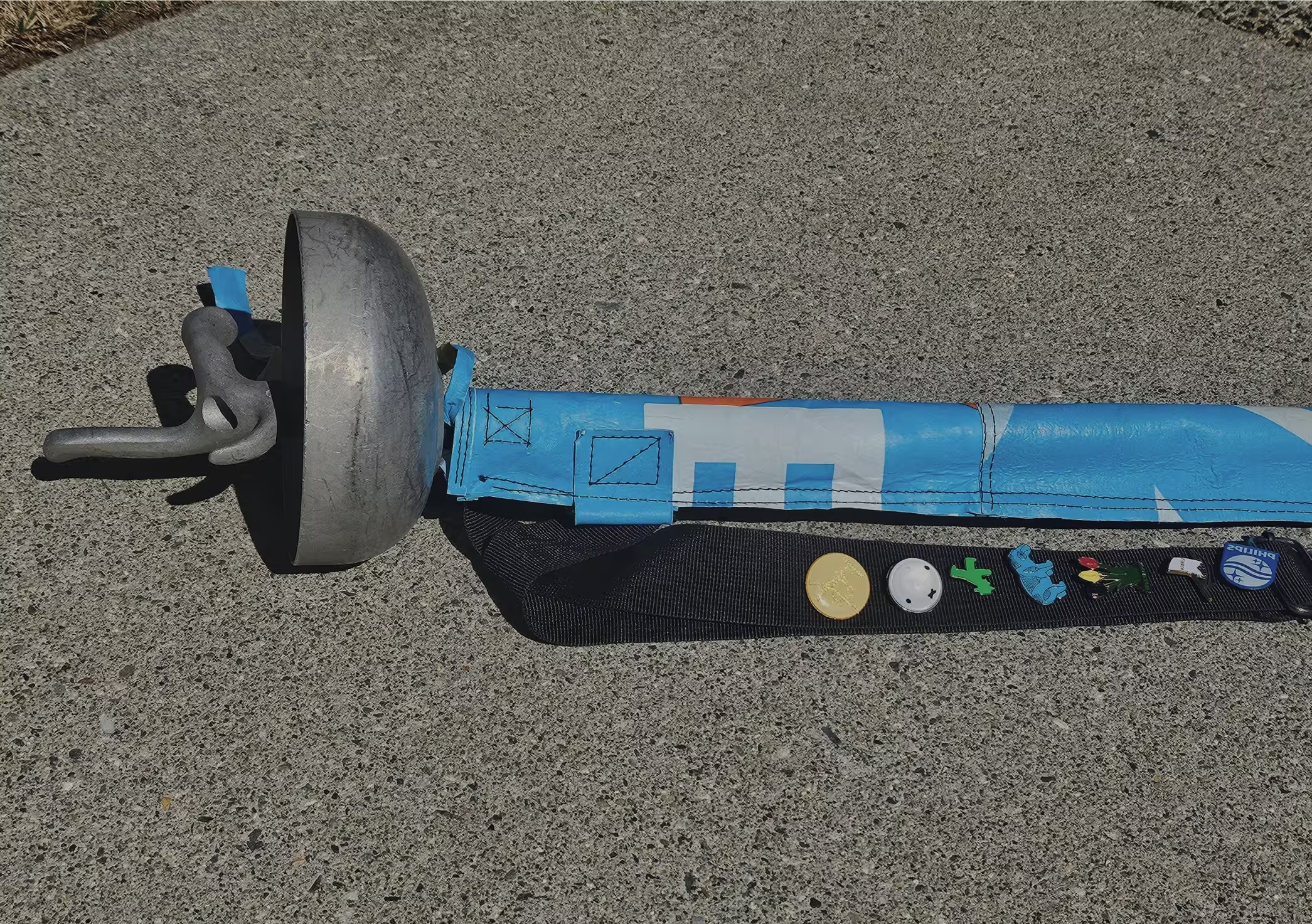
With the plastic waste crisis in mind, I developed new methods for processing plastic shopping bags into durable materials for accessories, such as a fencing sheath.
Skills
Soft Product Development, Material Research
Tools
Sewing Machine
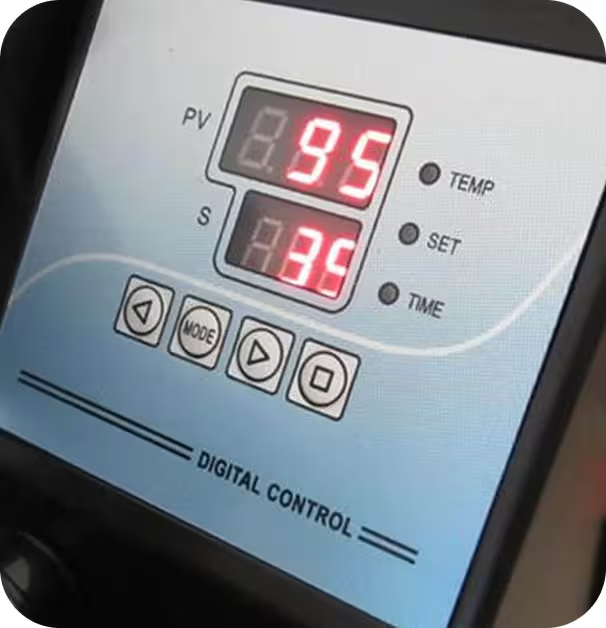
Heat Press
Duration
7 weeks, Spring 2025
Advisor
Holly Krueger, Instructor at Tu/e
Why I made this
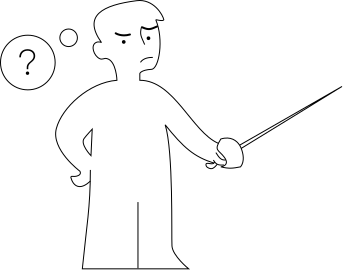
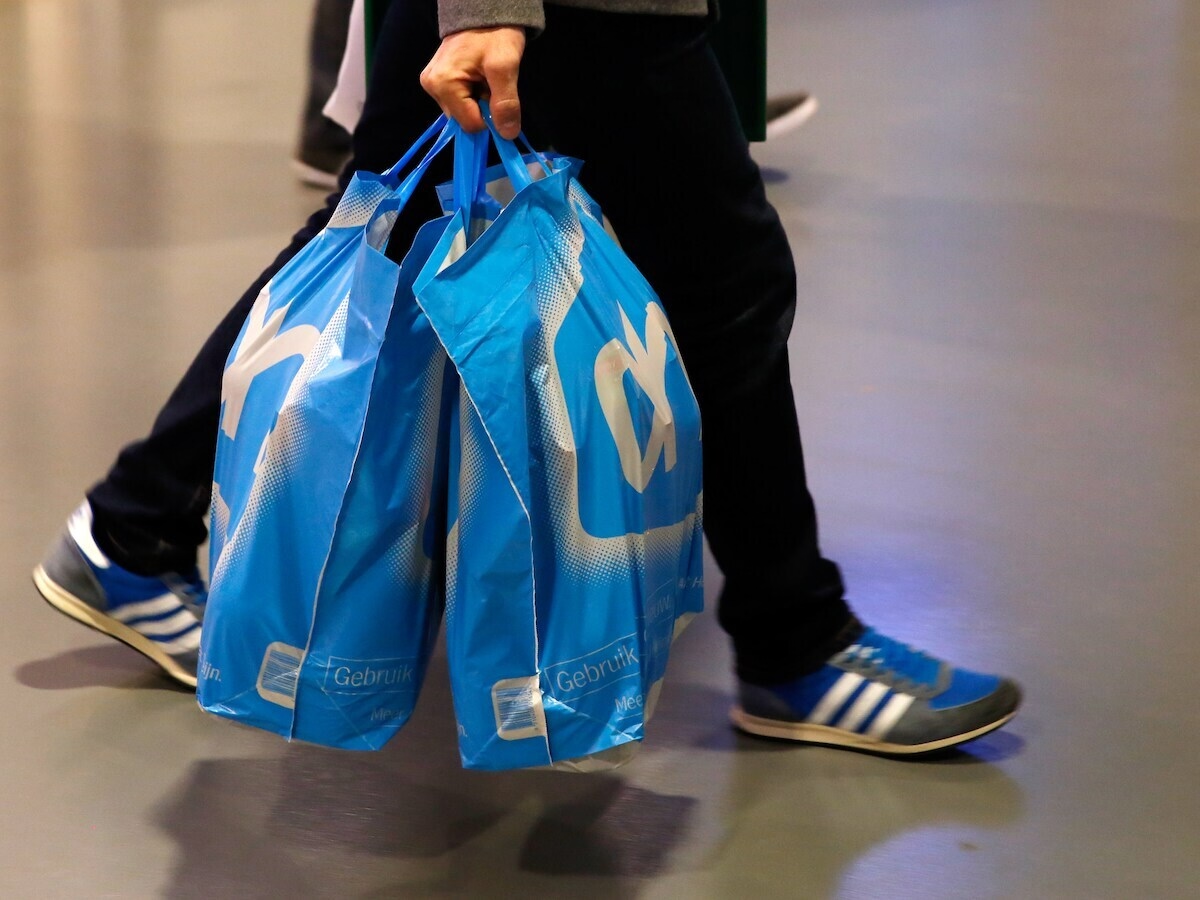
While on exchange in the Netherlands, I picked up a new fencing sword and a habit of collecting Albert Heijn plastic bags. Getting the blade safely across the city for fencing practice (by bike) was a challenge, and a growing stash of single-use plastic was another. This project solved both at once.
Research
Exploring material properties with small samples - what can I do with a heat press and sowing machine?
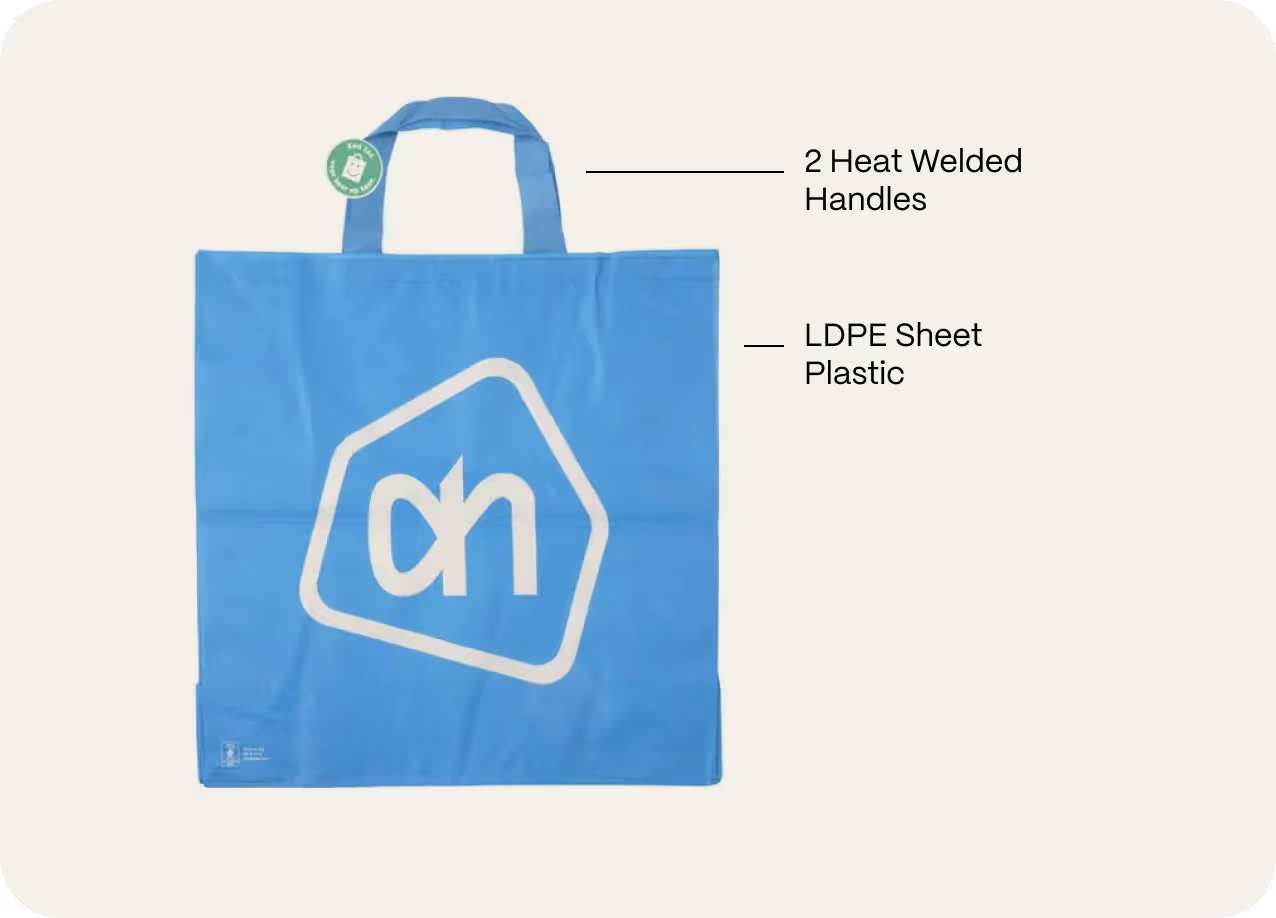
I used the most common type of Albert Heijn plastic bag.
Developing a durable material was a trial and error process.
Changing variables: temperature of heat press and number of sheets.
Under-Heated
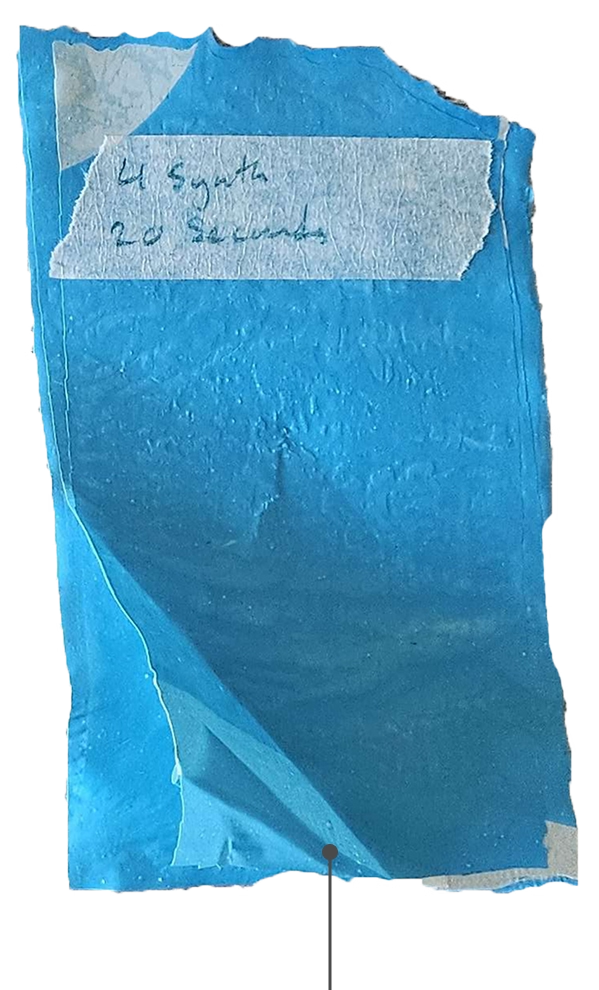
The plastic delaminates with too little heat.
Over-Heated
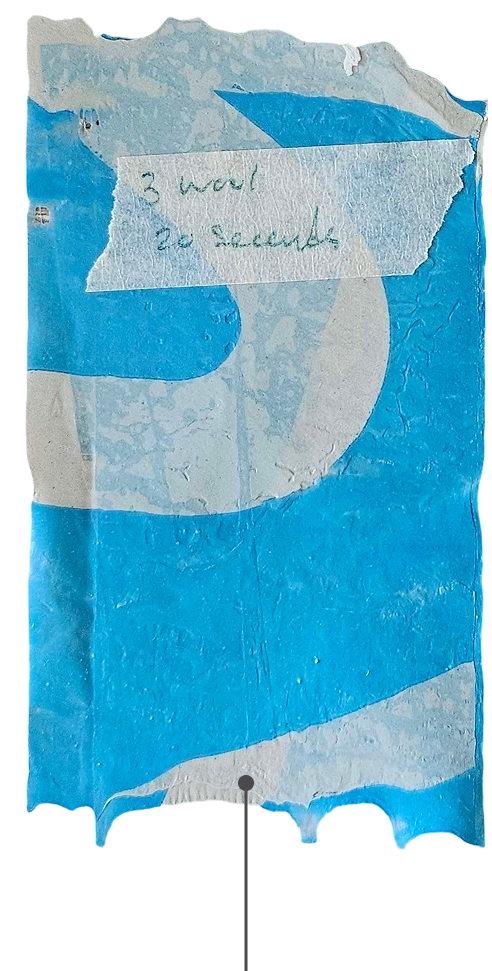
Overheating causes holes and shrinkage.
Just Right
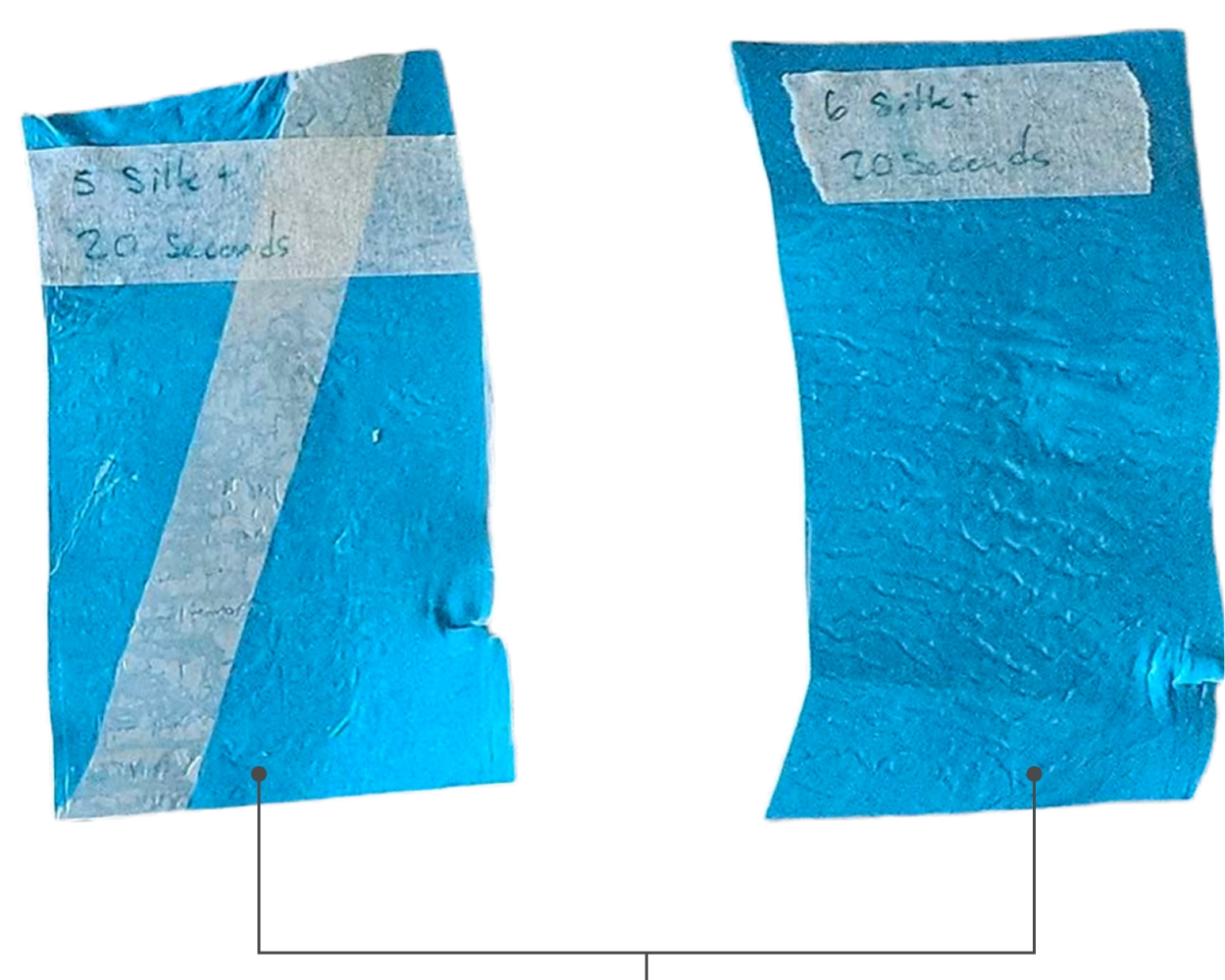
With the correct application of heat, the sheets melt together and becomes stronger as a result.
Exploring trade-offs with two different joining methods
Heat Welded
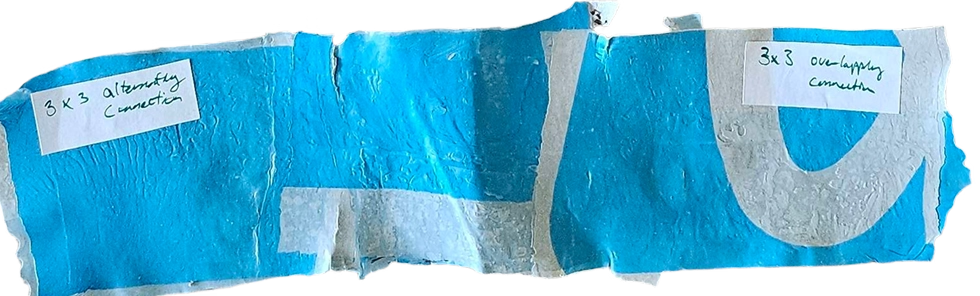
When heat welded, the joint resists shear forces well but is prone to cracking under severe bending forces.
Machine Sewn
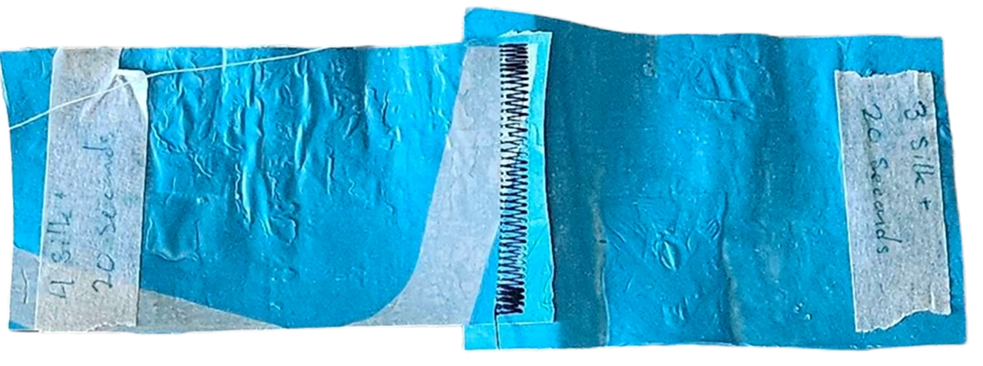
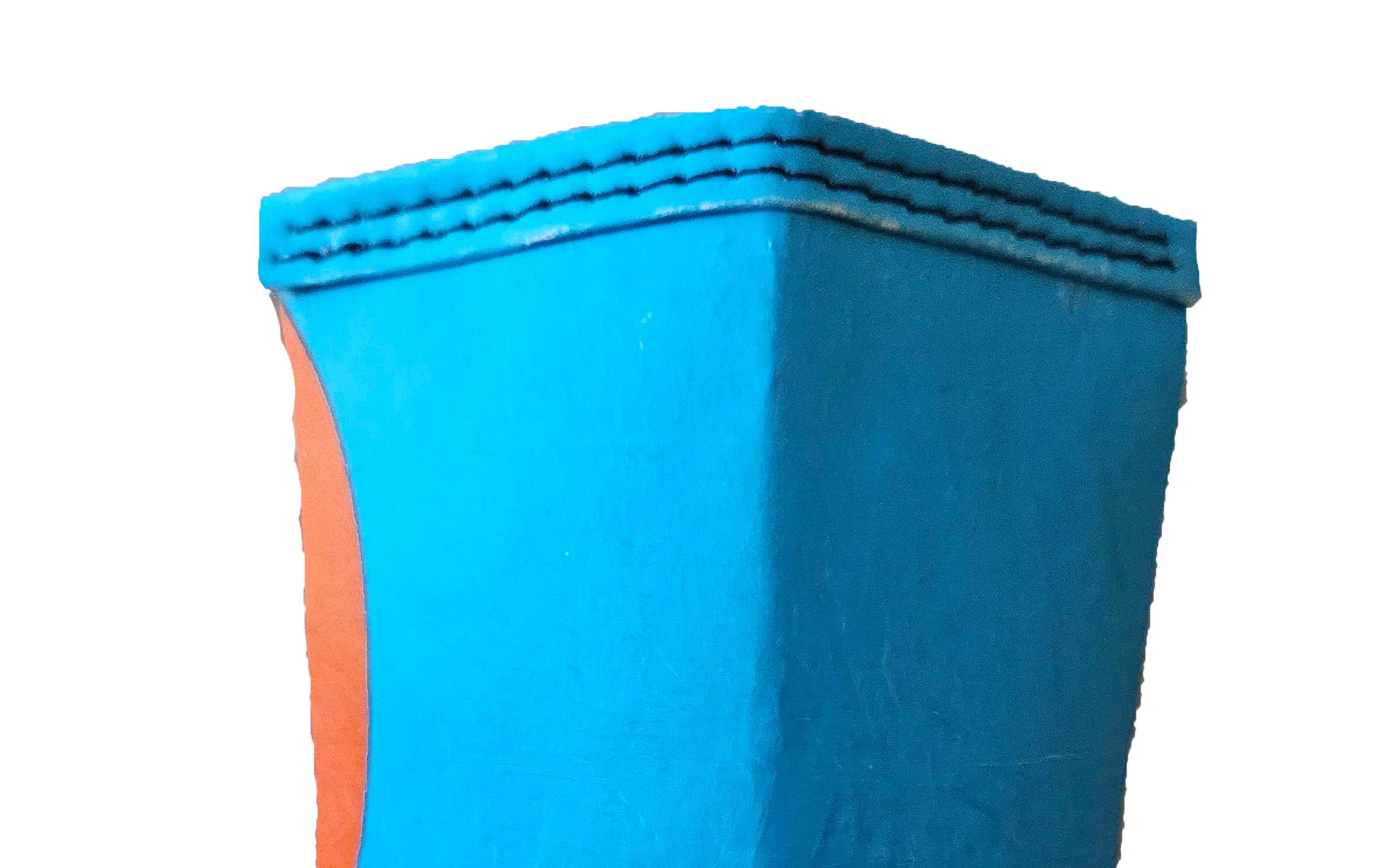
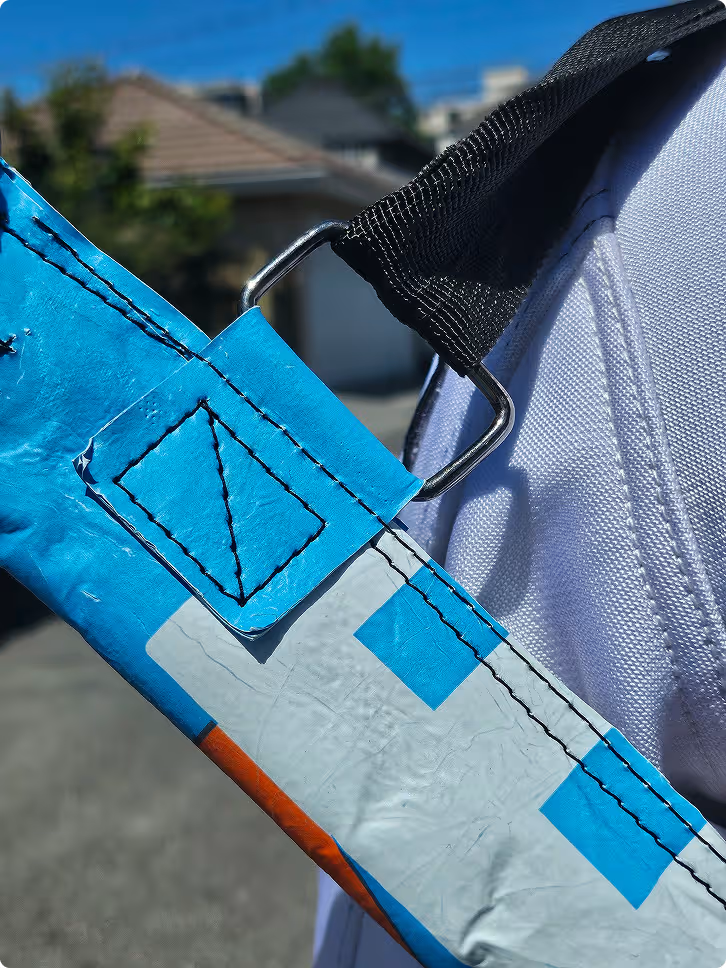
Standard electronic sewing machines can handle up to 10 layers of plastic bags without needle damage, while leather machines can sew through 24 layers safely. The connections are reliable if spaced appropriately. However, machine sowing makes it obvious that two separate pieces were used - an effect I decided to lean into, using black thread.
Planning the Design
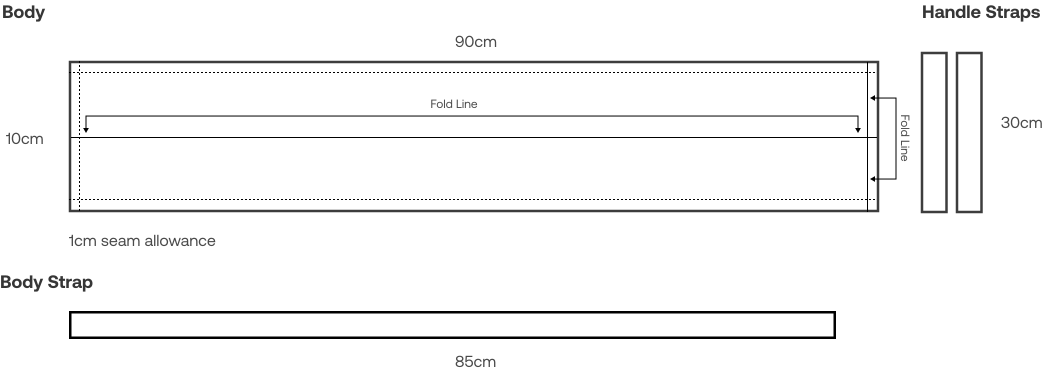
Creating a pattern based on my sword dimensions
I consulted experienced sewists to refine the garment’s affordances and material layout, receiving guidance on stitch types, structural seam placement, and appropriate seam allowances.
Facing Issues
With my first attempt at melting large sheets together, the plastic shrunk and failed miserably. :(



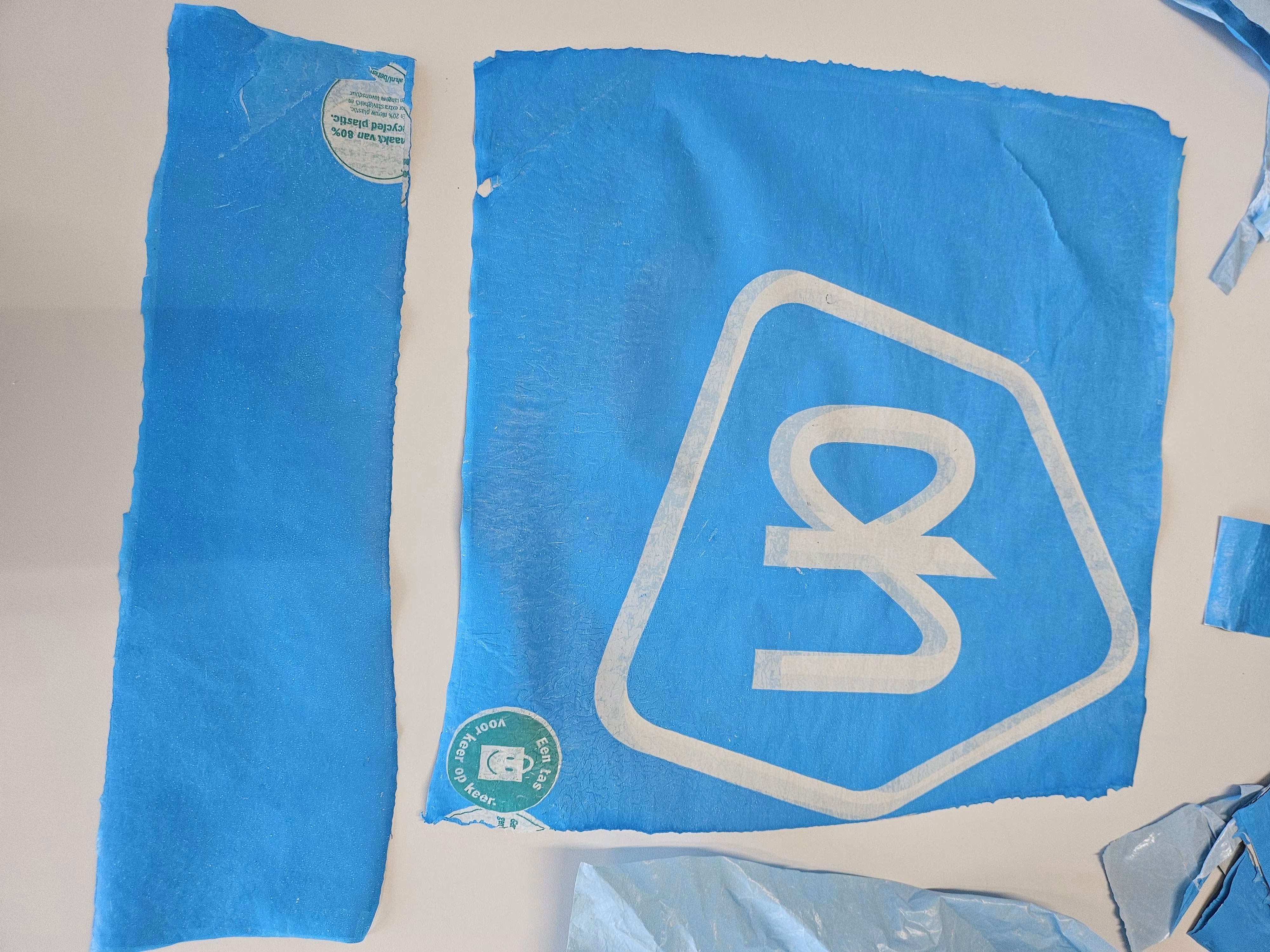
Some sections of the plastic shrunk over two times its width, so the pieces became unusable.
Because the edges were so uneven, it was impossible to line up the stitches nicely.


The handles had the same shrinkage and the strap would be too unreliable to use long term.
Fabrication Improvements
I used more forgiving measurements and refined my heating technique, replacing plastic with other secondhand material where necessary.
- I melted larger sheets of plastic together before cutting them to size, which allowed me to account for any shrinkage.
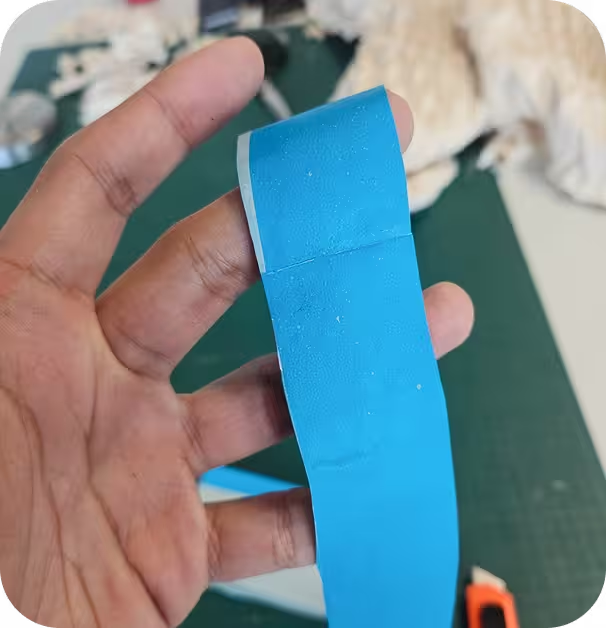
- Retesting the heating temperature helped me find the ideal melting temperature with the heat press, optimizing for durability and smoothness.
- I decided to repurpose an old nylon bag strap to ensure my sheath’s strap was reliable in the long term.
Assembly
I assembled the whole unit together with a sowing machine and black thread to retain a handmade feel.
Conclusion
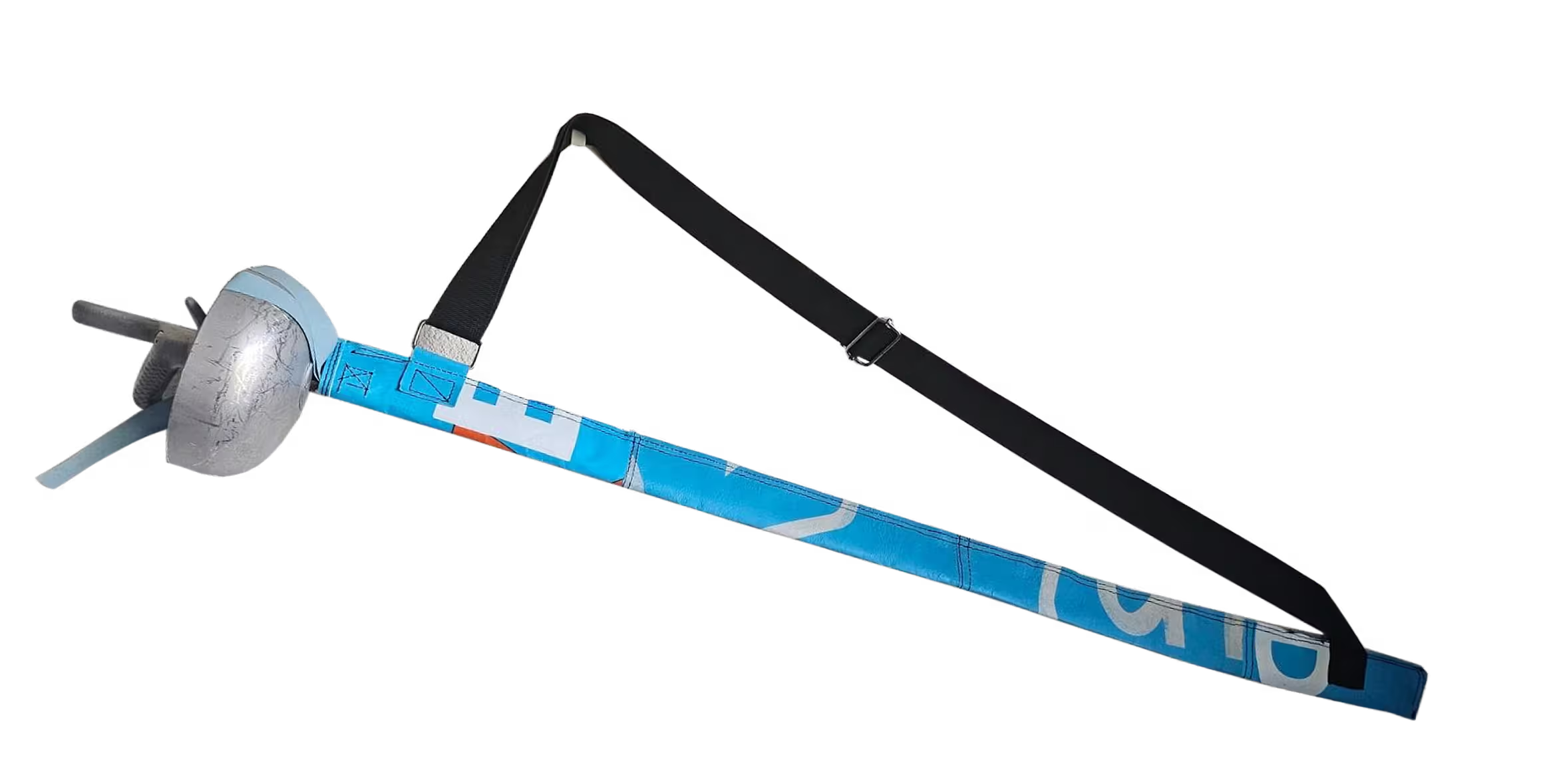
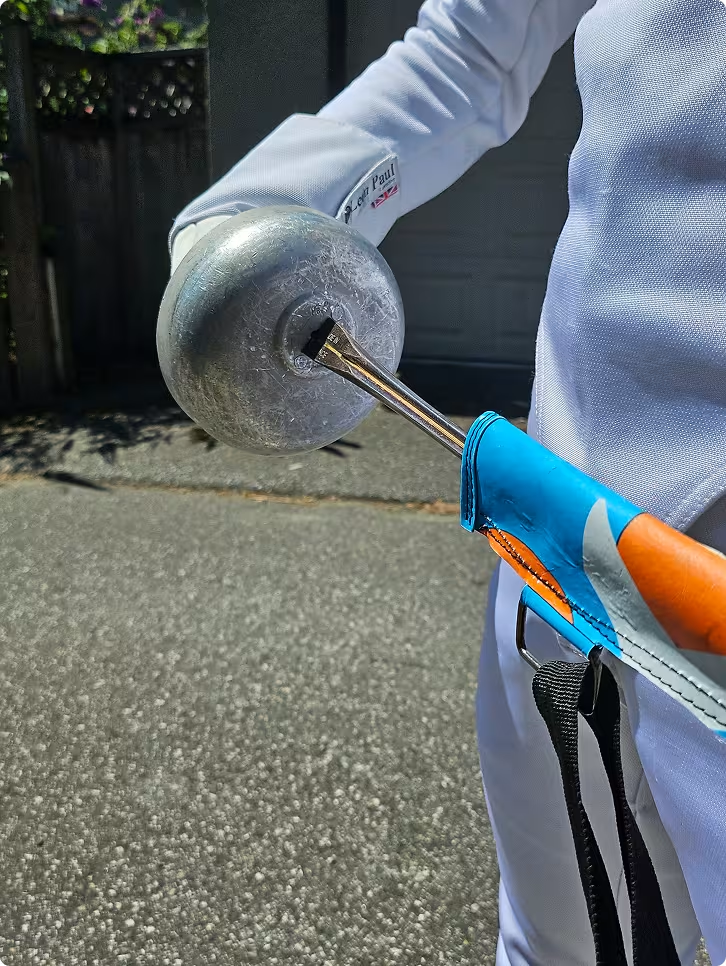
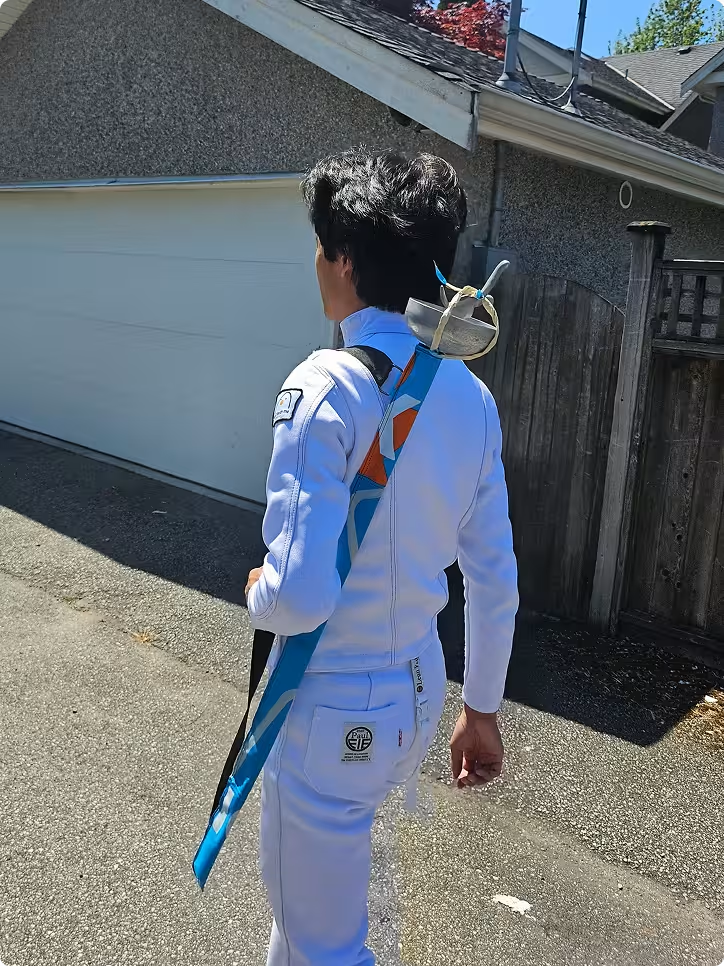
The final product - a durable fencing sword sheath made entirely from recycled materials.
Reflection
I’ve used the Albert Sheath every week for the past year, and it holds up well - a definite success in my books!
Working with plastic bags pushed me to see materials differently: waste as a design resource, not an afterthought.
As my first soft goods project, almost everything was learned on the fly (and the stitching shows it, don’t look too closely at it!) But that challenge is exactly what's driven me to keep developing these skills, learning new tools and techniques, and explore where soft fabrication can take me next.