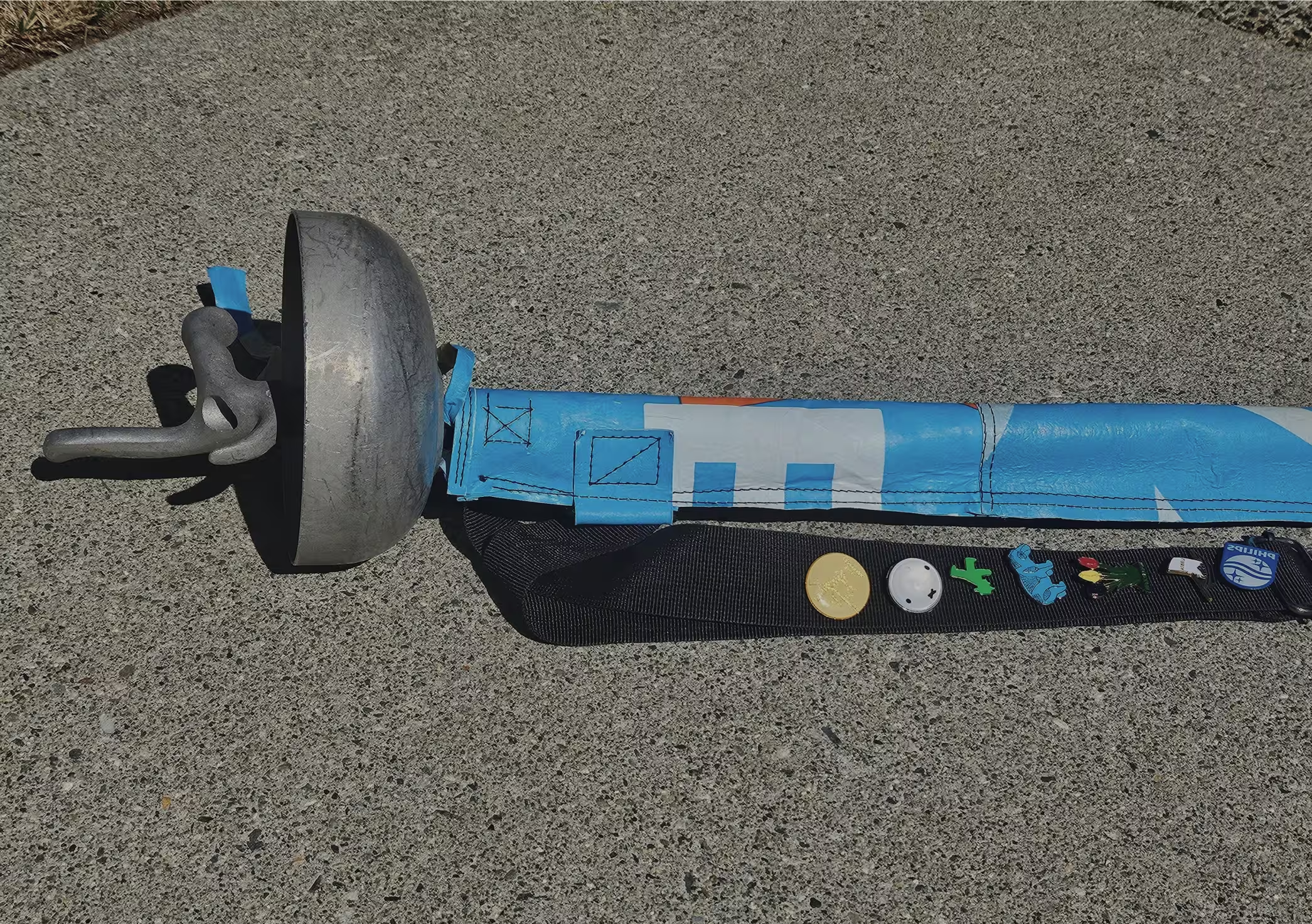
Albert
Fencing accessories made from recycled materials
Summary
With the plastic waste crisis in mind, I developed new methods for processing plastic shopping bags into durable materials for accessories.
After a couple trips to the grocery store Albert Heijn, I began to accumulate a mass amount of plastic bags that I could not reasonably use. The extras would be destined for the landfill, so I researched ways to reuse plastics for crafting and textile use. By using a heat press to combining multiple sheets of plastic, I was able to fabricate and use these leather like materials to develop a sword sheath for fencers.
Skills
Seamster
Product Development
Material Research
Tools
Sewing Machine
Heat Press
Duration
3 weeks, Spring 2025
Advisor
Holly Krueger
Research
What is the simplest and most effective way of turning plastic bags into a more durable and adaptable material?
Since my goal was to eventually create a fencing sheath, it was necessary to thoroughly understand the limitations of the plastic bags I was working with, by examining how the material reacts to heat (if multiple layers are welded together) and sewing.
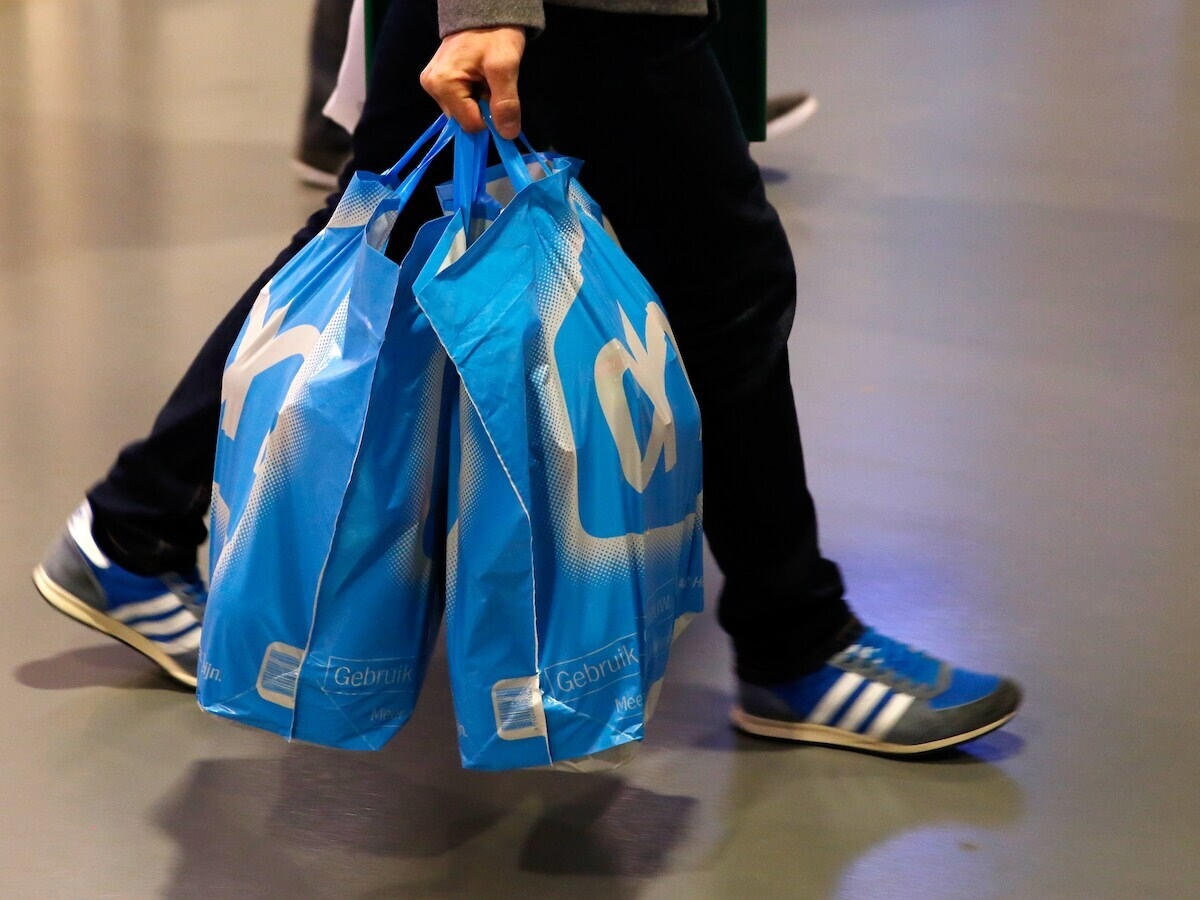
By melting sheets of plastic together, a much stronger material can be created.
Under-Heated
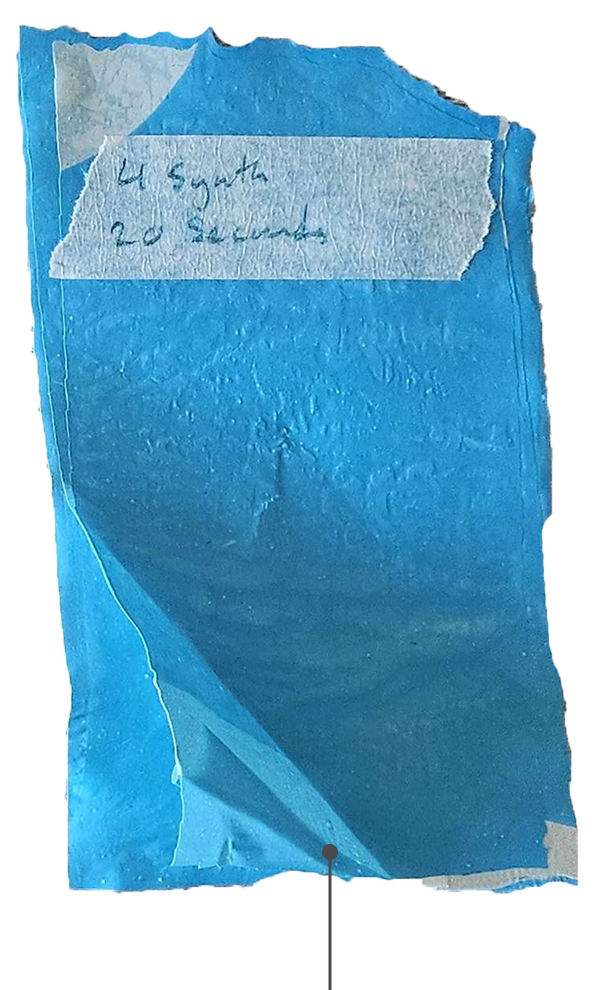
The plastic delaminates with too little heat
Over-Heated
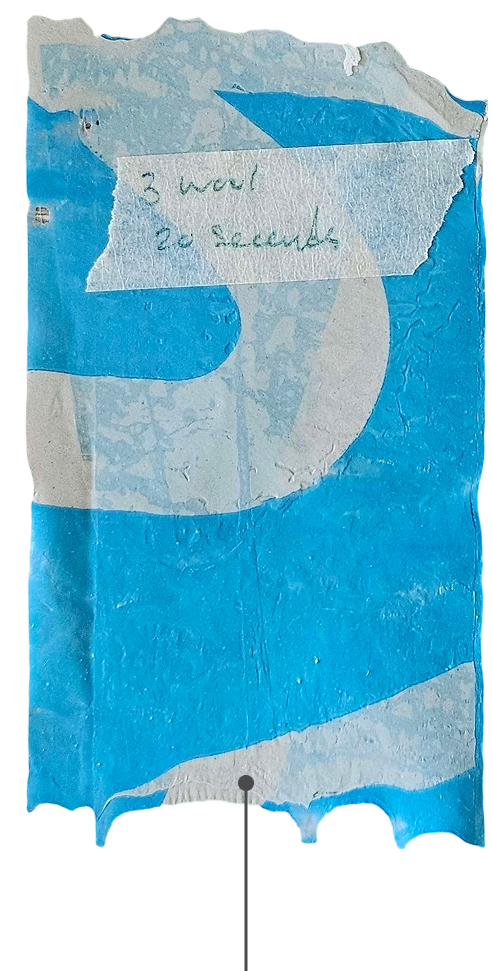
Overheating causes holes and shrinkage
Just Right
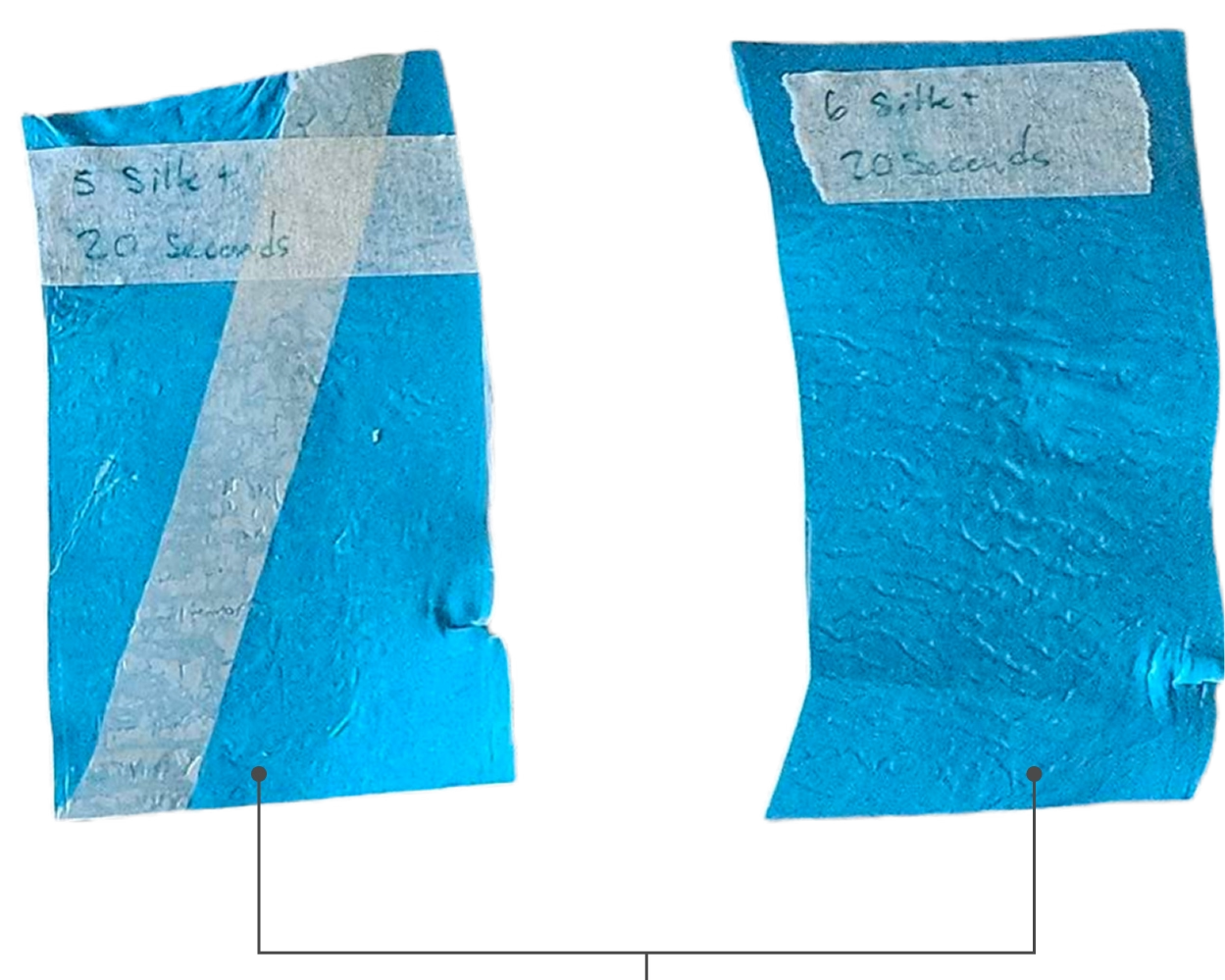
With the correct application of heat, the sheets melt together and becomes stronger as a result.
When connecting larger pieces of plastic material together end-to-end, machine sewing is more reliable than heat welding.
Heat Welded
When heat welded, the joint resists shear forces well but is prone to cracking under severe bending forces.
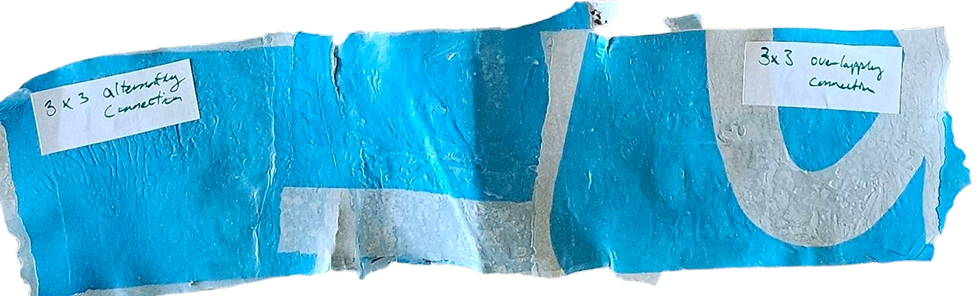
Machine Sewn
Standard electronic sewing machines can handle up to 10 layers of plastic bags without needle damage, while leather machines can sew through 24 layers safely. The connections are reliable if spaced appropriately.
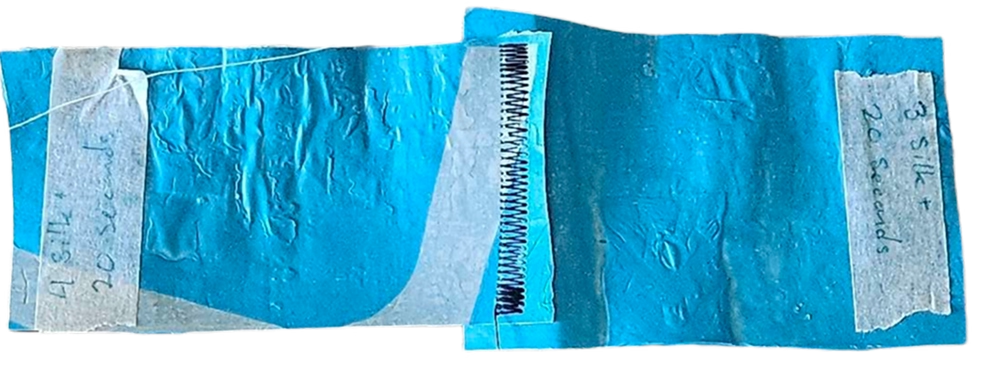
Early Iterations
After understanding the limitations and opportunities of the material, I created an initial plan to turn it into a fencing sword sheath.
- Use a hand iron to melt layers of plastic together.
- Cut to shape.
- Chain the handles into a cross-body strap and secure the sword with straps.
- Machine sow all pieces together.
The plastic shrunk and failed miserably, so I had to figure out why and how to fix the warping
- Some sections of the plastic shrunk over two times its width, so the pieces became unusable.
- Some sections of the plastic shrunk over two times its width, so the pieces became unusable.
- The handles had the same shrinkage and the strap would be too unreliable to use long term.
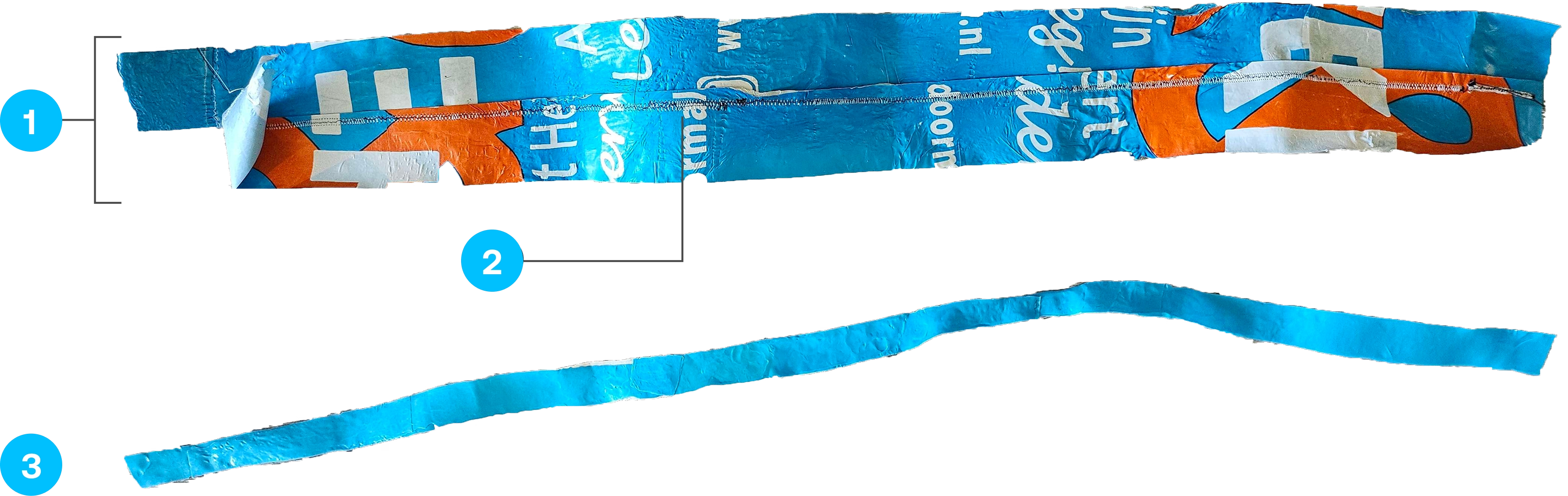
Method Improvements
Developing accurate measurements and fabrication methods using the heat press
What I did differently:
- I created larger general sheets that would not shrink a second time.
- Retested the temperatures on the new hardware to get exact measurements for reference
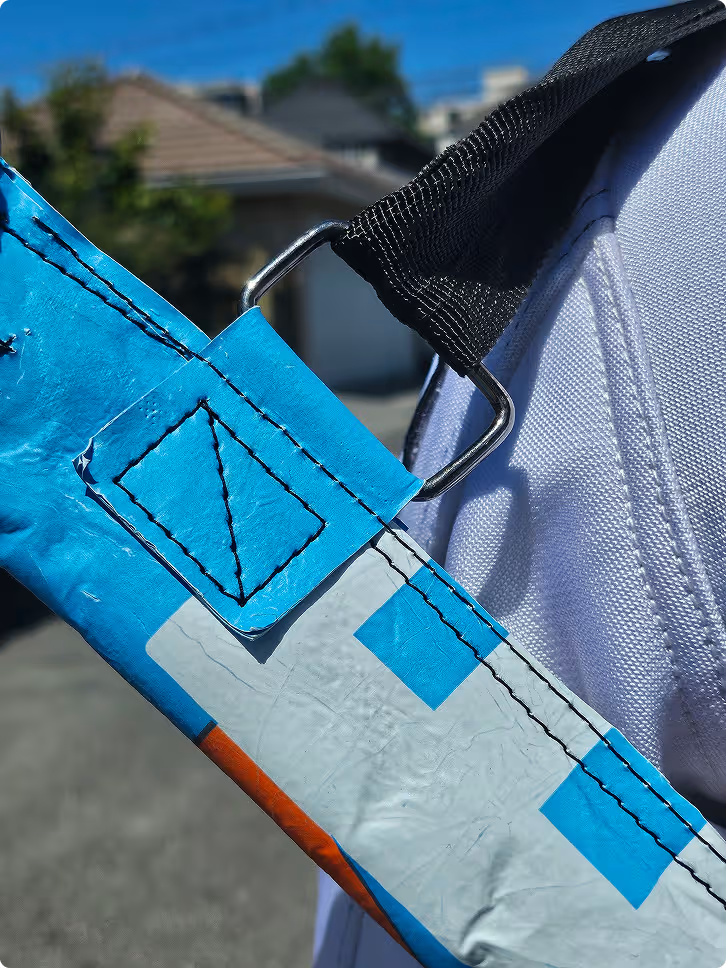
- I upcycled a cheap nylon strap because it would be significantly more reliable.
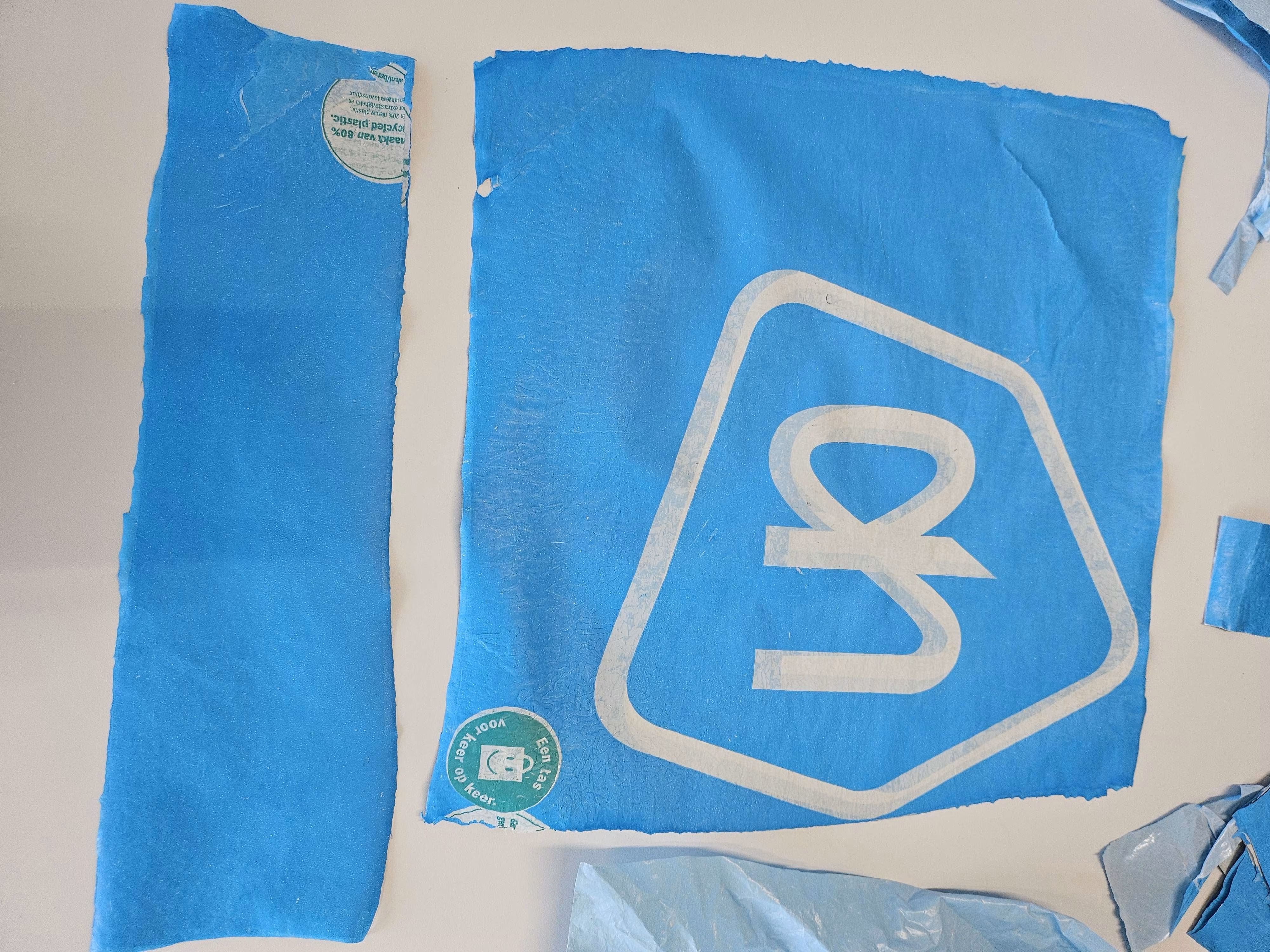
Assembly
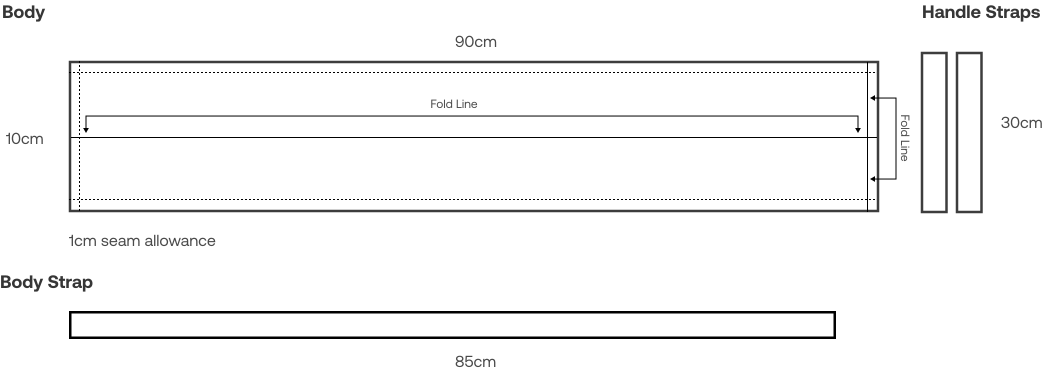
By taking the combined sheets, the whole unit was stiched together
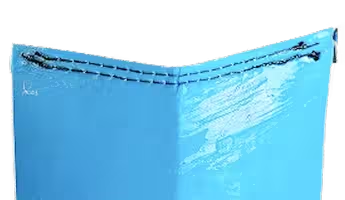
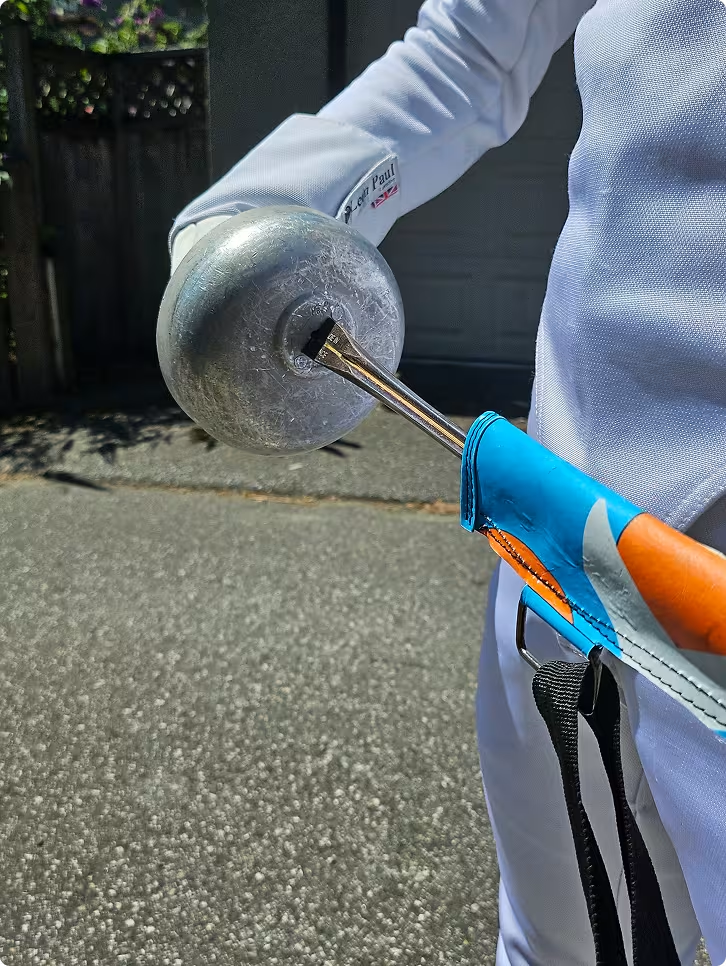
The double-fold hem was chosen to enhance the durability of areas on the sheath that experience frequent contact.
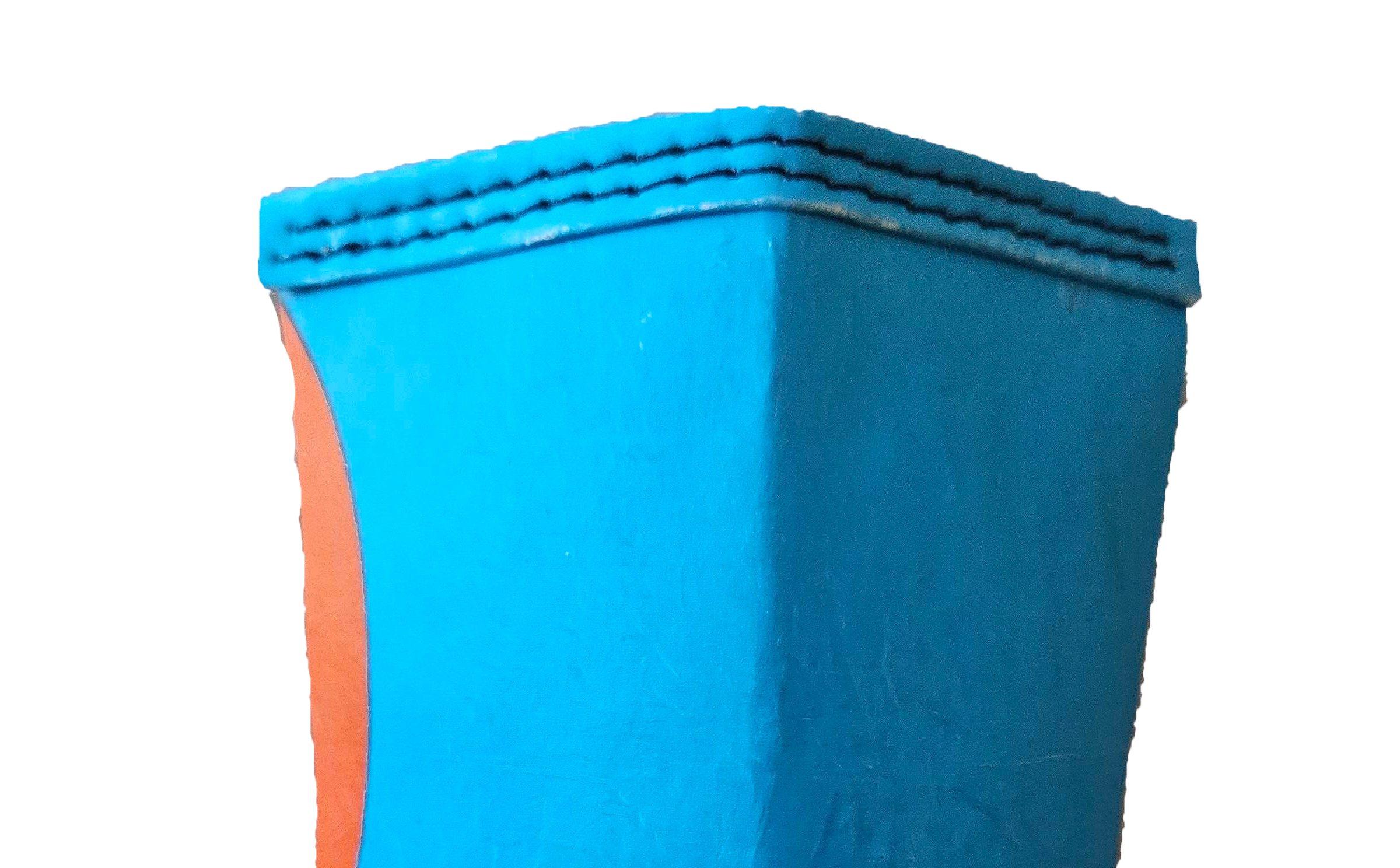
This made sure there was a curved and durable surface where the sword contacts the body.
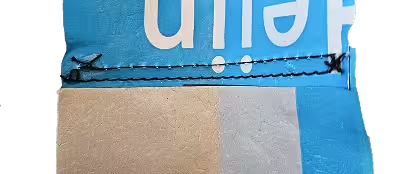
Where the body needed to be extended, the pieces were welded and overlap stitched together
Final Product
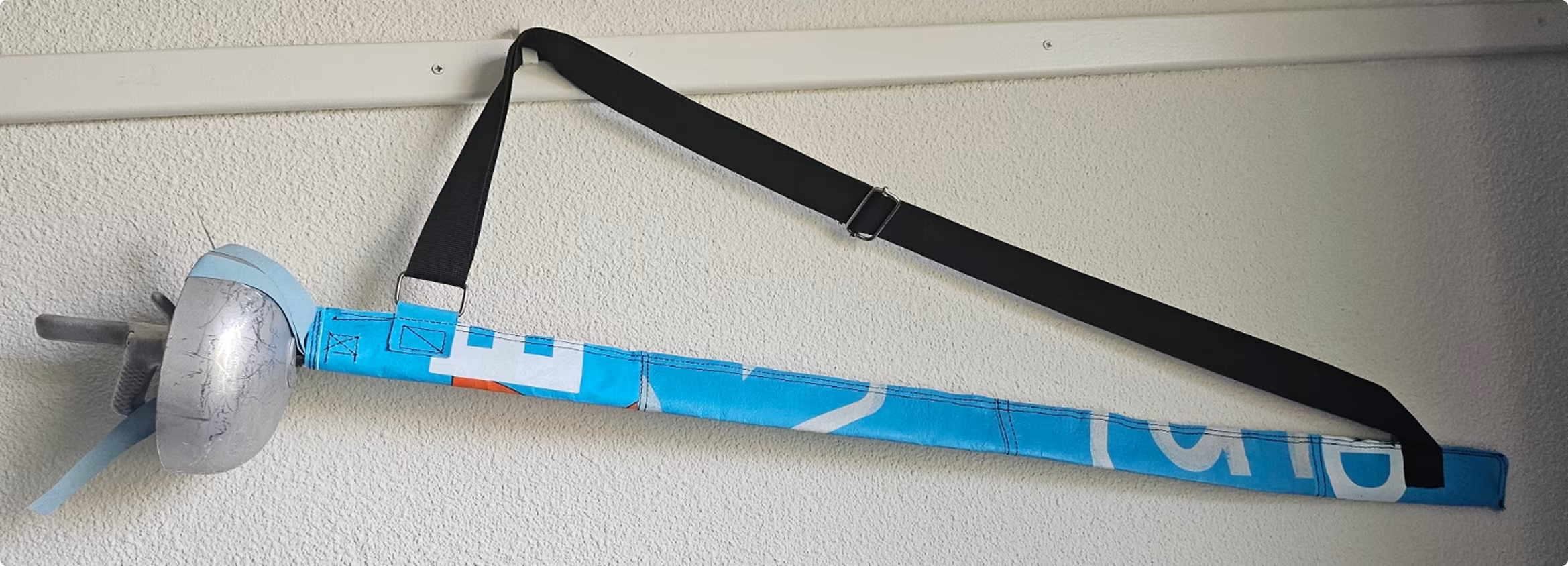
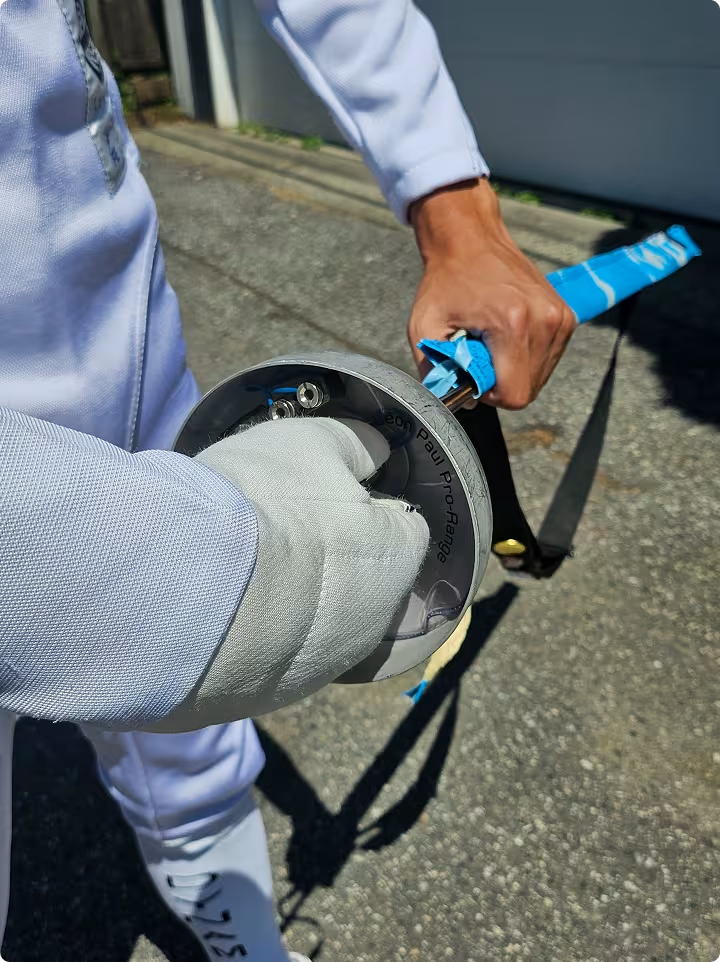
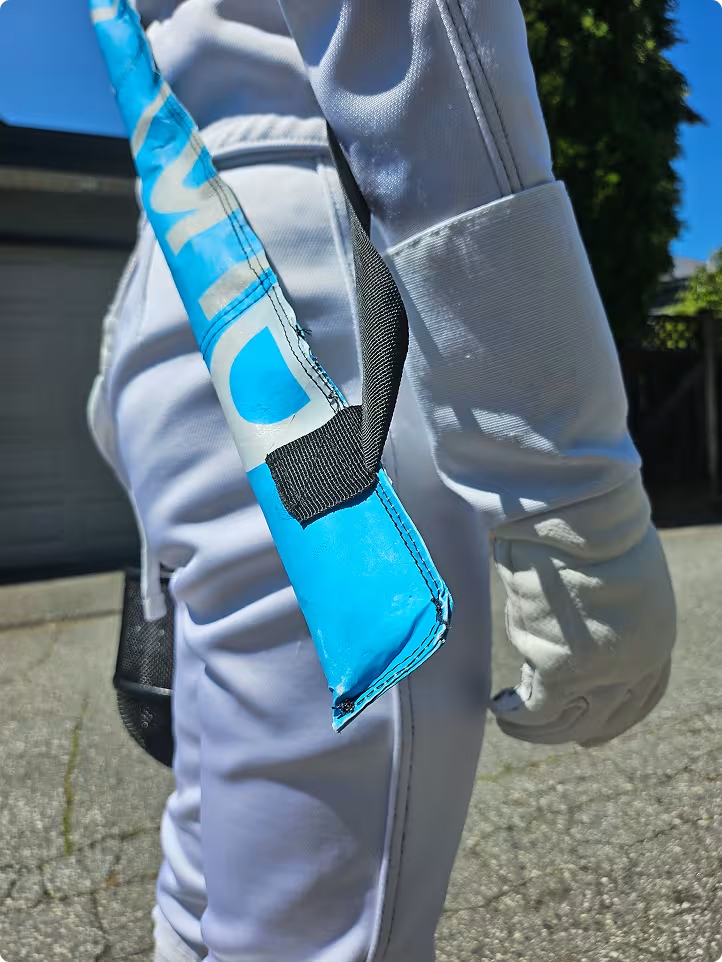
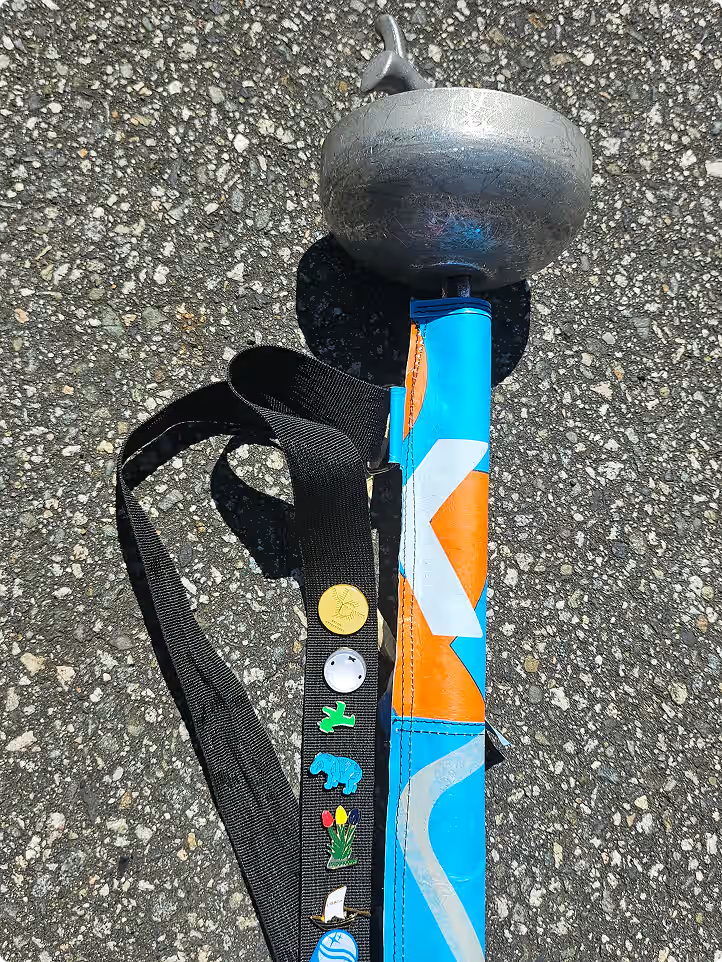
Final Reflection
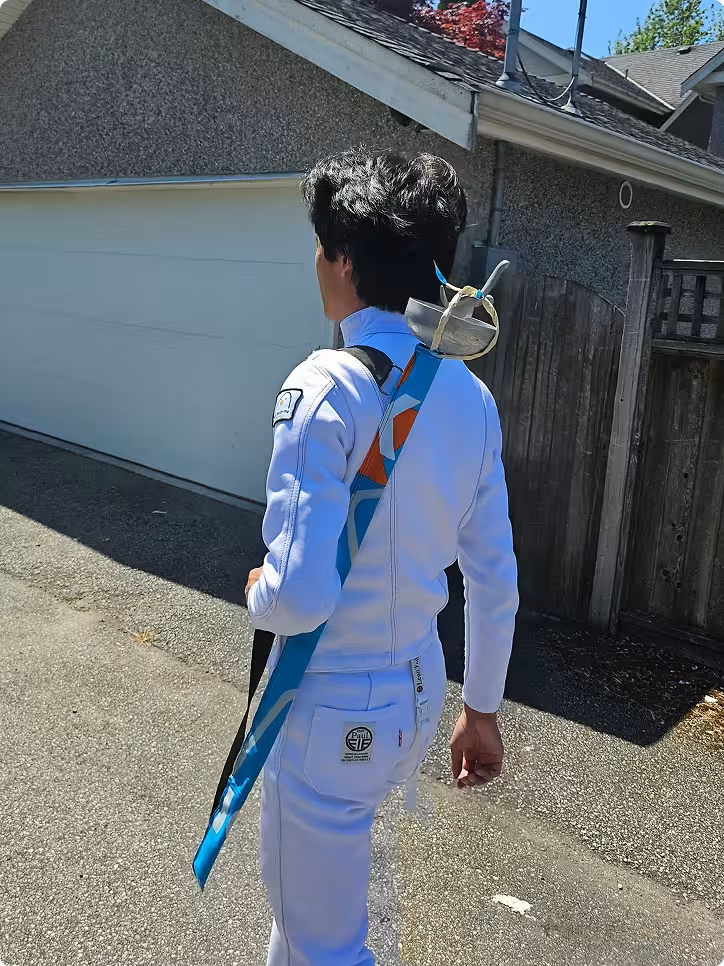
Overall, the product was successful. Plastic bags can be reused and upcycled in this manner, and the process produces very little waste. In the future, I would have added more considerations for the sword itself and how it interacts with the plastics. Because the plastics are non-porous, moisture can build up inside the sheath, so I added silica packs to manage humidity. Additionally, more long-term testing should have been done on the structure of the plastic after repeated use. The tassels shown holding the sword in place in image 4 eventually broke and needed to be replaced with a more durable material.